
By M.A.Kadir
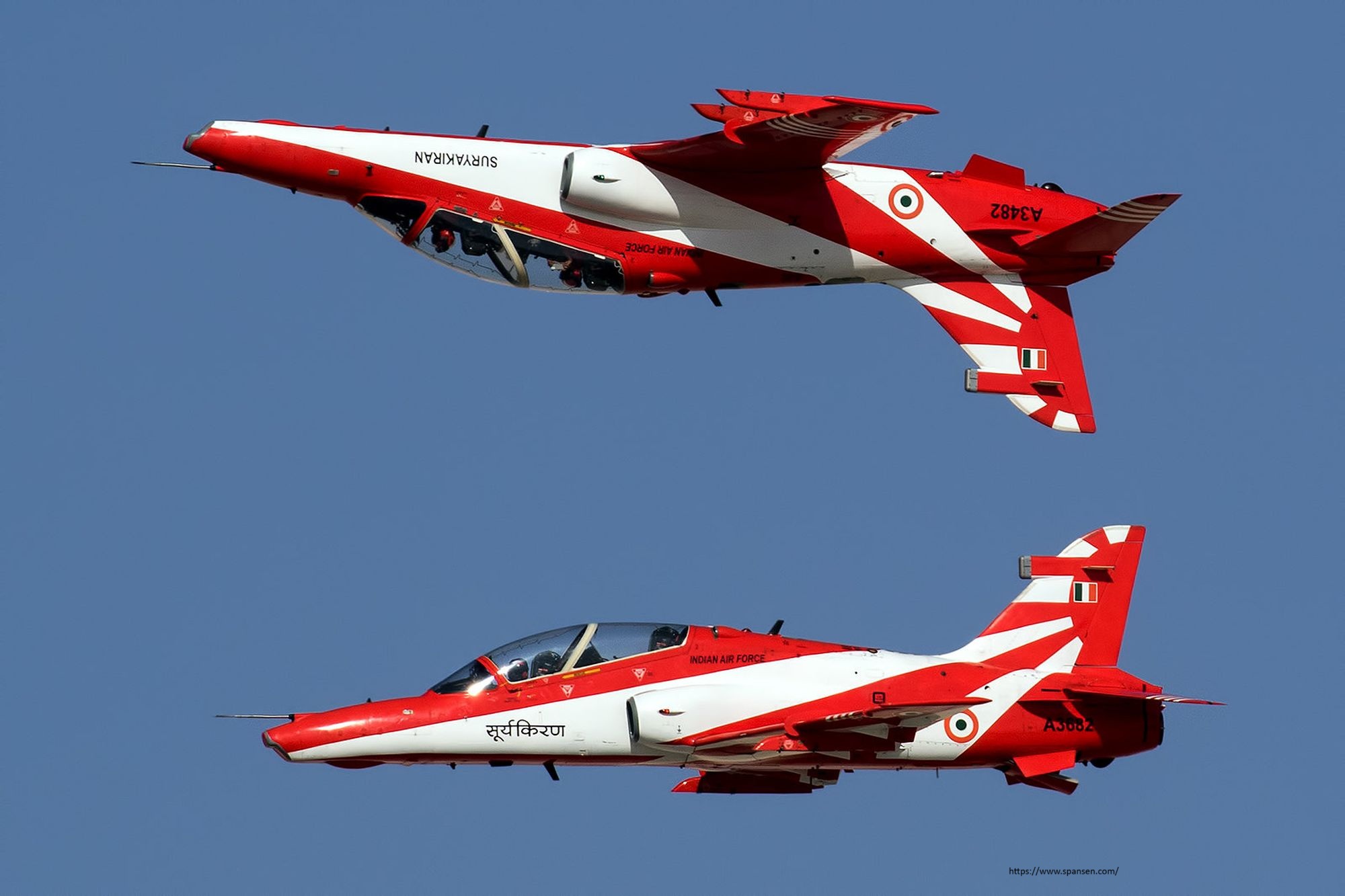
LANGKAWI, May 19 — India has officially withdrawn its aerobatic team from participating in the upcoming Langkawi International Maritime and Aerospace Exhibition (LIMA’25), citing unspecified “challenges,” which analysts link to ongoing geopolitical tensions with Pakistan.
Malaysia’s Defence Minister, Datuk Seri Mohamed Khaled Nordin, confirmed the decision during a press briefing at Resort World Langkawi, following a final site inspection ahead of the international showcase.
“India initially agreed to join the aerobatic display, but due to their current situation or challenges, they decided to withdraw,” he stated without elaborating.
Although the Indian team’s absence is unlikely to impact the scale of the exhibition — with elite teams such as Russia’s Russian Knights and Indonesia’s Jupiter still scheduled to perform — it does reflect a more complex undercurrent in South Asian diplomacy.
The move comes amid persistent friction between New Delhi and Islamabad, with both countries maintaining a hardened posture on security and diplomatic engagement. India’s absence effectively reduces the chances of any soft diplomatic interaction on neutral ground.
India’s Ministry of Defence has not issued an official statement regarding the decision. Participation in international defence exhibitions like LIMA is more than just air shows—it is a military signalling.
Some defense analysts pointed India’s absent from LIMA’25 as a “silent signal in South Asia’s geopolitical standoff”.
India’s quiet withdrawal from LIMA’25’s aerobatic segment which supposedly serve as a projection of national pride, military prowess, and soft power diplomacy – may seem procedural on the surface, but in the realm of defense diplomacy, silence often speaks louder than words.

While New Delhi has not formally attributed its decision to the presence of Pakistan or rising tensions between the two nuclear-armed rivals, the move is widely interpreted as a calculated disengagement — one that mirrors the entrenched mistrust between the neighbours.
By pulling its aerobatic team, India avoids any perception of indirect military alignment or symbolic parity with Pakistan in a shared public space. It is a conservative, risk-averse move, reflective of a broader trend in India-Pakistan relations where even non-combative, international forums are no longer politically neutral ground.
But for events like LIMA, while serving as defense exhibitions, it also serves as an informal diplomatic arenas. India’s absence closes the door on low-stakes military-to-military visibility and denies Southeast Asian hosts like Malaysia the opportunity to foster a balanced presence from major regional players.

On diplomatic optics: The absence of India’s aerobatic team may be noted among defence watchers as a missed opportunity for regional soft power engagement.
While on reflection of broader geopolitical tension, the move reiterates how unresolved regional hostilities continue to influence international defence diplomacy, even in peace-oriented exhibitions.
It is a stepping back, where India loses a chance to project military sophistication and soft power — particularly in a region where China, Russia, and ASEAN nations are increasingly active in defense outreach. Meanwhile, Pakistan’s potential participation, unopposed, could be read as assertive or even diplomatically agile by comparison.

This episode reinforces a broader narrative: the inability of South Asian rivals to compartmentalize defense and diplomacy from conflict. It also highlights the challenges for neutral hosts like Malaysia, who strive to maintain inclusive, apolitical defense platforms amid increasingly rigid global alignments.
In conclusion, India’s withdrawal may not derail LIMA’25, but it does underline the reality that even at airshows, geopolitics is inescapable. In an age where defense is diplomacy, absence is a message — and in this case, it speaks of a relationship still defined more by division than dialogue.




Leave a Reply