

By Makadir Ajam
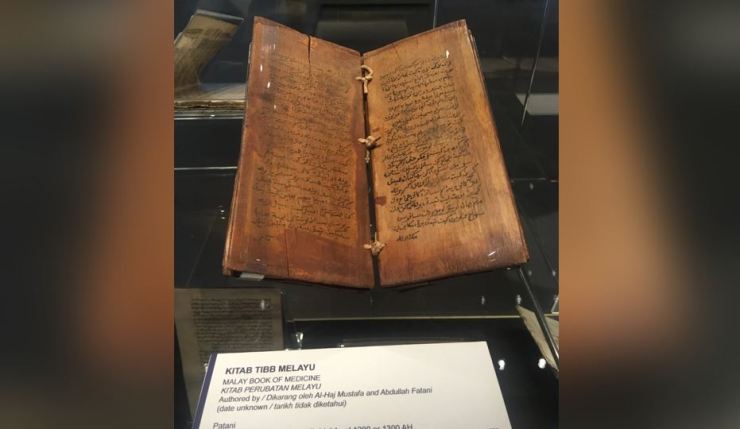
IN a revealing study titled “The Nature and International Standing of Jawi-Malay Medical Manuscripts Before 1900”, researcher Zain, S. M., published in the International Journal of Allied Health Sciences, volume 5, issue 5, pages 2322-2350, delves into the rich history and global significance of Jawi-Malay medical manuscripts.
This research sheds light on the advanced state of medical knowledge and practices in the Malay world prior to the 20th century.
The study highlights the Jawi-Malay medical manuscripts as invaluable sources of traditional medical knowledge, demonstrating the sophisticated understanding of medicine and healthcare in the region.
These manuscripts, written in the Jawi script, encompass a wide range of medical topics, including herbal medicine, surgical procedures, and treatments for various ailments, showcasing the intellectual prowess of Malay scholars and healers.
Zain’s research underscores the manuscripts’ international standing, revealing their influence and recognition beyond the Malay Archipelago.

The manuscripts were not only crucial in the local context but also interacted with and were influenced by medical traditions from the Arab world, India, and China, reflecting a rich exchange of knowledge across regions.
The study provides a detailed analysis of the content and structure of these manuscripts, highlighting their methodological rigor and the comprehensive nature of the medical knowledge they contain.
Zain emphasizes that these manuscripts serve as a testament to the Malay world’s contributions to global medical knowledge and the historical interconnectedness of different medical traditions.
One of the key findings of the study is the manuscripts’ role in preserving and transmitting traditional medical knowledge across generations. Despite the advent of modern medicine, these texts remain a critical link to understanding the historical development of medical practices in the Malay world.
The research also points to the cultural and educational value of these manuscripts, advocating for their preservation and further study. Zain suggests that these texts could offer valuable insights into alternative medical practices and contribute to a broader understanding of historical medical knowledge.
The study calls for increased efforts to digitize and catalog these manuscripts, making them accessible to researchers and the public worldwide. This, Zain argues, would not only preserve this vital aspect of cultural heritage but also facilitate further research into the historical contributions of Malay medical knowledge.
As Malaysia and the broader academic community continue to explore their rich cultural and intellectual heritage, Zain’s study provides a crucial perspective on the historical significance of Jawi-Malay medical manuscripts.
It highlights the need to recognize and preserve these invaluable texts, ensuring that the legacy of Malay medical scholarship continues to be appreciated and studied by future generations.




Leave a Reply