

By Makadir Ajam
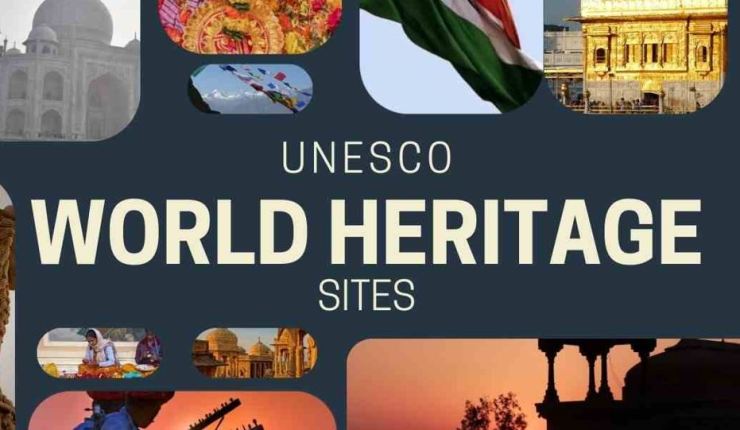
UNESCO, as the United Nations Educational, Scientific and Cultural Organization, works to protect and preserve cultural and natural heritage around the world through its World Heritage List.
However, the process of nomination, recognition, and maintenance of these sites can sometimes involve disputes, misrepresentations, or misunderstandings, which in rare cases, have led to sites being recalled or delisted.
Some notable cases of misrepresentation or controversies involving UNESCO sites include:
- Dresden Elbe Valley, Germany:
- Delisted: Dresden Elbe Valley was initially inscribed on the World Heritage List in 2004 due to its outstanding cultural landscape. However, in 2009, it became the first site to be removed from UNESCO’s World Heritage List. The delisting was a result of the construction of a four-lane bridge in the heart of the cultural landscape, which UNESCO argued significantly altered the integrity of the site.
This case illustrates the impact of new developments on the conservation commitments of World Heritage sites.
- Arabian Oryx Sanctuary, Oman:
- Delisted: This site was delisted in 2007 after the Omani government decided to reduce the size of the sanctuary by 90% in favor of oil prospecting. This drastic change compromised the sanctuary’s integrity and its ability to conserve the Arabian Oryx for which it was recognized. The reduction not only affected the conservation efforts but also went against the commitments made to UNESCO, leading to its delisting.
- Liverpool – Maritime Mercantile City, United Kingdom:
- Delisted: In 2021, Liverpool was stripped of its World Heritage status due to developments on the city’s waterfront, which UNESCO felt were detrimental to the site’s authenticity and integrity. The decision followed concerns that new construction, including high-rise buildings, had altered the city’s skyline and was inconsistent with its status as a heritage site. This case underscores the challenges of balancing urban development and heritage conservation.
- Selous Game Reserve, Tanzania:
- Controversy: The site has faced ongoing controversies, especially concerning the decision to build a dam at Stiegler’s Gorge within the reserve. While not delisted, the project raised significant concerns about the potential environmental impact on the habitat, which is known for its diverse wildlife. UNESCO and various environmental groups have expressed serious concerns about this development.
- The Great Barrier Reef, Australia:
- Potential Delisting: Although not yet delisted, the Great Barrier Reef has been the subject of intense scrutiny due to threats from coral bleaching, water quality, and climate change. The Australian government’s handling of these issues has been closely monitored by UNESCO, which has debated placing the reef on the List of World Heritage in Danger.
These examples highlight the delicate balance required to maintain a site’s heritage status and the potential consequences when new developments or government policies compromise the values that justified their inscription on the World Heritage List.
They also show the ongoing dialogue necessary between UNESCO and the host nations to ensure the protection of these invaluable global assets.




Leave a Reply