

By Makadir Ajam
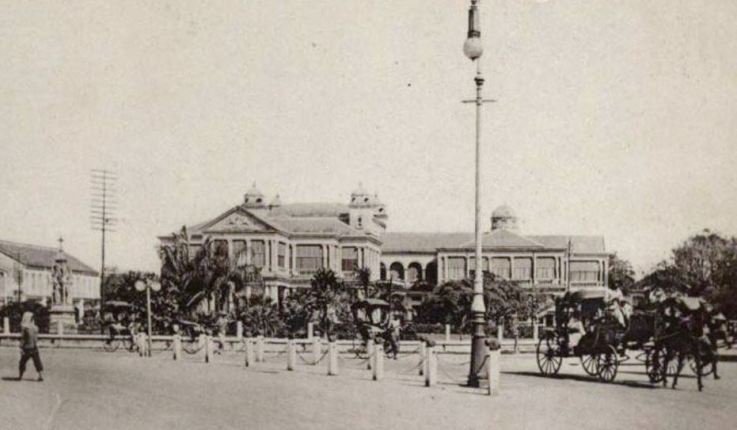
THE UNESCO Nomination Dossier for the Historic Cities of the Straits of Malacca, specifically referencing Penang, serves as a foundational document in positioning George Town alongside Melaka as a World Heritage Site.
The dossier frames Penang, particularly George Town, as a multicultural hub shaped significantly by British colonial influences since 1786 when the British East India Company, led by Francis Light, took possession of the island.
This narrative, while celebrating the resultant multiculturalism and economic development, glosses over critical aspects of the island’s deeper history and the implications of such an omission on the indigenous population.
Critical Omissions and Colonial Perspectives
The dossier describes Penang as a melting pot created by British colonial policies such as the free port status, which attracted a diverse group of settlers.
While this portrayal underscores the vibrant, cosmopolitan nature of modern Penang, it significantly downplays the pre-colonial context. Prior to British occupation, Penang was part of the Malay Sultanate of Kedah.
The dossier’s scant reference to this crucial aspect suggests a narrative skewed towards colonial achievements while neglecting the indigenous sovereignty and the implications of this oversight on the island’s historical narrative.
Furthermore, the dossier mentions that Penang was never a kingdom but rather part of a series of territories influenced by British imperialism.
This framing reinforces a colonial-centric view, overshadowing the region’s autonomy before British intervention.
The historical allegiance of local communities to the Sultan of Kedah, who had actual sovereign rights over the island similar to other regional islands like Langkawi, is only briefly acknowledged, which could be seen as diminishing the region’s pre-colonial status and agency.

Marginalization of the Malay Population
The depiction of the local Malay population before the British takeover is particularly telling. Described merely as enclaves of fishermen and farmers with ambiguous loyalties, this portrayal undermines the structured social and economic systems that existed prior to British arrival.
Such a depiction can diminish the reader’s understanding of the Malay community’s rich cultural heritage and its contributions to Penang’s historical landscape.
Cultural Erasure and Renaming
The renaming of Tanjong to George Town symbolizes a broader cultural erasure. This act of renaming places, a common practice under colonial rule, not only cemented the British imperial legacy but also actively suppressed local heritage and identities, contributing to a historical narrative that prioritizes colonial narratives over indigenous histories.
Development Versus Preservation
The nomination dossier does not address the later century conflicts between development and preservation, particularly the destruction of historical Malay towns like Batu Uban and Tanjong Tokong.
These areas were traditional Malay settlements that faced demolition under state development policies aimed at modernizing Penang.
This selective preservation and focus on colonial architecture and multicultural heritage, as recognized by UNESCO, casts a shadow over the indigenous communities displaced in the process.
Conclusion: A Call for a More Inclusive Historical Narrative
The UNESCO dossier, while effective in securing World Heritage status for George Town, promotes a narrative that could be seen as partial and selective.
A more inclusive approach would involve acknowledging Penang’s complete history, recognizing the contributions and rights of its indigenous populations, and addressing the social impacts of both historical and contemporary policies on these communities.
This expanded narrative would not only enrich the understanding of Penang’s heritage but also foster a more equitable appreciation of its diverse cultural landscape.
In essence, the historical narrative presented in the UNESCO nomination dossier for Penang is a reminder of the power of historical representation and the need for critical engagement with how histories are written, celebrated, and remembered.



Leave a Reply