

By Makadir Ajam
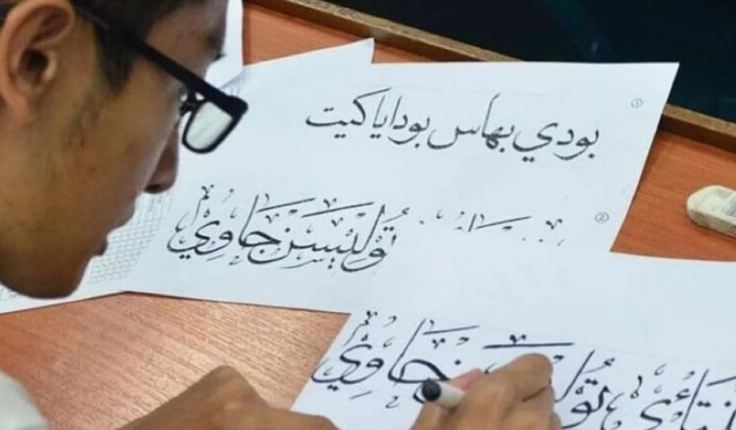
IN her enlightening chapter from the book “Bichara: Moro Chanceries and Jawi Legacy in the Philippines,” Donoso (2023) explores the deep-rooted and evolving presence of Jawi script and its cultural significance among the Moro communities in the Philippines.
Her work is an insightful examination into how this Arabic-derived script has not only survived but adapted, reflecting the dynamic interplay between local traditions and external influences in the region.
Donoso begins by setting the historical scene of the Jawi script in the Philippines, tracing its introduction through trade and Islamic missionaries who arrived from neighboring Malay regions.
This script became a cornerstone of the Moro Islamic societies, encapsulating their religious texts, legal documents, and literary works.
Donoso narrates how, over centuries, Jawi served as a medium of intellectual and cultural exchange, thus becoming a symbol of identity and resistance against colonial pressures.
The narrative then shifts to the challenges faced by the Jawi tradition in the contemporary era. Donoso critically examines the impacts of modernization and the Philippines’ national language policies on the usage of the Jawi script.
These policies, aimed at fostering a unified national identity, often marginalized minority cultures and languages, including those of the Moro people.
Donoso argues that this has led to a gradual decline in Jawi literacy, threatening the script’s survival and, consequently, a significant aspect of Moro cultural heritage.

However, it’s not a tale of passive decay but of active preservation and adaptation. Donoso highlights various local and academic efforts to revive and sustain Jawi as a cultural practice.
These include educational initiatives that integrate Jawi into school curriculums in predominantly Moro areas, as well as cultural revival movements that celebrate and promote the script as a proud emblem of Moro identity.
In telling this story, Donoso employs a critical approach that does not just lament the erosion of tradition but also lauds the resilience of the Moro communities.
She discusses how the Jawi script is being recontextualized and digitized, ensuring its relevance in the digital age, thus bridging traditional heritage with modern technology.
Through her detailed and empathetic portrayal, Donoso invites readers to understand the complexities of cultural preservation within minority communities.
She challenges the audience to consider the broader implications of national policies on cultural diversity and underscores the importance of local agency in the survival and evolution of traditional practices.
This narrative, woven with historical depth and contemporary relevance, serves not only as a record of a script’s journey through time but also as a testament to the enduring spirit of a community’s cultural and religious identity.
It’s a compelling reminder of the power of tradition to adapt, survive, and flourish even in the face of overwhelming change.
READ MORE:
- Script and Identity: The Enduring Legacy of Jawi in Southeast Asia
- The Impact of Jawi Script on Malaysian Currency: Cultural Significance and Broader Implications
- Revitalizing Jawi Script: Preserving Malay Intellectual Heritage in the Modern Era
- Scripted Identity: The Cultural Erosion of Jawi and Its Impact on Malay Heritage



Leave a Reply