
By: Nur Najwa Hureen Md. Majid
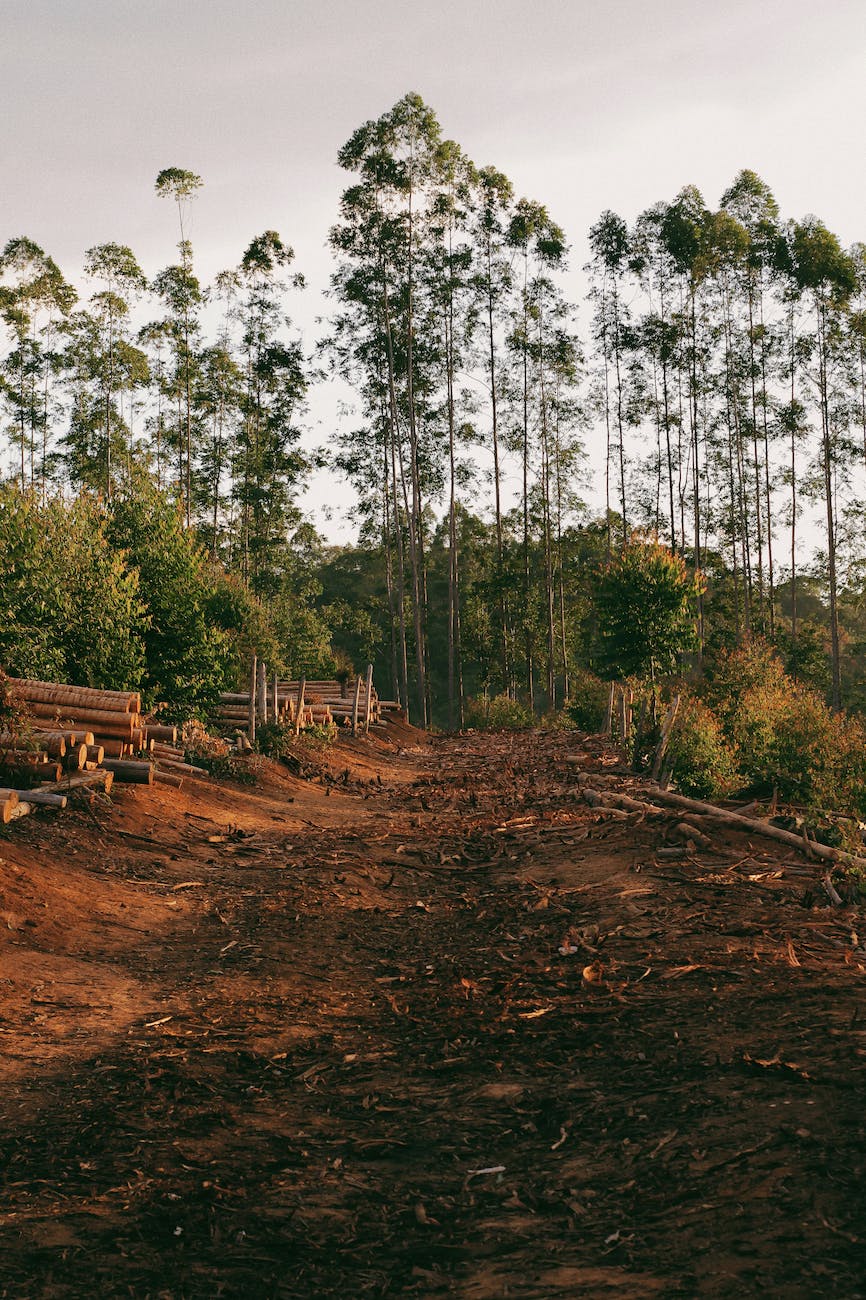
Deforestation involves cutting trees for agricultural expansion, impacting ecology and climate. Controlled deforestation with replanting can prevent erosion, but rapid unsustainable deforestation weakens slopes, causing landslides. It increases runoff and erosion, as per Wan Ruslan Ismail’s 1995 research. Deforestation is a major cause of Malaysia’s chronic soil erosion and landslides. Environmental change also affects hydrology and harms highland forests, known as “cloud forests”, impacting the microclimate and tourist appeal.


Malaysia’s land is two-thirds forest, but forest cover dropped from 62 percent in 2010 to 56.4 percent in a year. Cameron Highlands lost 62.6ha of tree cover in 2021 due to illegal logging, land clearing, and invasive species. Deforestation results in extensive land clearing, landslides, rising temperatures, and habitat loss. Weak enforcement allows illegal activities to persist.
Present challenges or weaknesses
Malaysia’s forestry regulations stem from Federal Constitution’s Article 74(2) granting each state autonomy. However, two primary laws govern forestry, i.e. the National Forestry Act of 1984 (NFA) and the National Forestry Policy of 1978 (NFP). These were revised in 1992 and 1993, respectively, aligning with international agreements and emphasizing environmental protection and biodiversity conservation.
Both the NFA and NFP focus on basic forest management rather than environmental considerations. State authorities possess significant discretion, especially regarding exercising the Permanent Forest Estate (PFE). Excessive use of this power jeopardizes the PFE’s preservation. To do so, two conditions must be met: the PFE no longer fulfils Section 10’s function, and economic goals outweigh its current purpose.
Although the NFA addresses forest security and sustainability, it lacks penalties for failing to replace degazetted forest reserves, allowing forest decline. The NFP’s emphasis on preserving forests is criticized for inadequately replenishing lost forest areas and failing to restore the ecosystem.
Poor law enforcement since the 1990s has led to increased land clearing in Cameron Highlands, both legal and illegal. Non-compliance with the Land Conservation Act 1960, even with permits, resulted in illegal clearings, according to Regional Environmental Awareness Cameron Highlands (REACH) President R. Ramakrishnan.
A study across seven peninsular states, including Cameron Highlands, revealed significant enforcement capacity challenges affecting forest law enforcement in Malaysia. Inadequate manpower, budget constraints, funding, inadequate facilities and equipment, and outdated monitoring technologies hamper effectiveness.
Illegal loggers, often organized syndicates with advanced equipment, outmatch limited manpower, hindering monitoring and surveillance. The absence of forensic knowledge impedes successful prosecutions.
Current extra initiatives made to curb the impacts of deforestation and its effectiveness
Efforts to combat deforestation include the “Go Green With SASET” initiative, where 300 volunteers partnered with the Sultan Ahmad Shah Environment Trust (SASET), the Pahang State Forestry Department (JPNP), and the Malaysia-Pahang Youth Council to raise awareness of unlawful deforestation, environmental issues, and reforestation in the Cameron Highlands. Volunteers planted 1,500 trees at Sungai Ichat Permanent Reserved Forests in February 2020, reclaiming land from illegal agriculture. Unfortunately, it struggles to keep pace with the state’s development approvals, resulting in a net loss of trees due to slow reforestation.
Another government initiative, Ops Gading, launched in 2016, aimed to detect encroachment on government land in the Cameron Highlands. This large-scale operation identified 5,580.23 acres (equivalent to 2,258.24 hectares) involved in illegal agriculture.
However, the operation’s delayed response and seasonal execution pose challenges. It should have begun when encroachment occurred on a smaller scale rather than waiting for more than 5,000 acres of encroachment, incurring high redevelopment costs. For effective control, continuous year-round operations are necessary, preventing encroachers from expanding their land when government efforts pause and resume the following year.
Recommendations for change or improvement
Develop baseline measurements: Establish baseline measurements for carbon emissions and forest health to track and report progress accurately. This data should guide mitigation activities and support sustainable forest management.
Strengthen law enforcement: Invest in manpower, resources, and technology to enhance forest law enforcement. Target organized syndicates and enforce stringent penalties for non-compliance.
Regulate agricultural licensing: Implement stricter regulations on agricultural licensing, considering environmental standards. Enforce consequences for violations to deter illegal land clearing.
Incentivize conservation: Create incentive mechanisms for local communities to participate in forest conservation efforts. Reward those who contribute to preserving forests.
Reforestation efforts: Develop a comprehensive reforestation plan, focusing on areas degraded by deforestation. Collaborate with NGOs and relevant authorities to replant trees and restore biodiversity.
In conclusion, addressing deforestation in Malaysia, particularly in places like the Cameron Highlands, requires comprehensive measures, including improved policy enforcement, stricter regulations, and collaborative reforestation efforts.

The author is a Final Year Student at the Faculty of Law, Universiti Malaya, and may be reached at nurnajwahureen@gmail.com




Leave a Reply