
By Nur Syafiqah Saripuddin
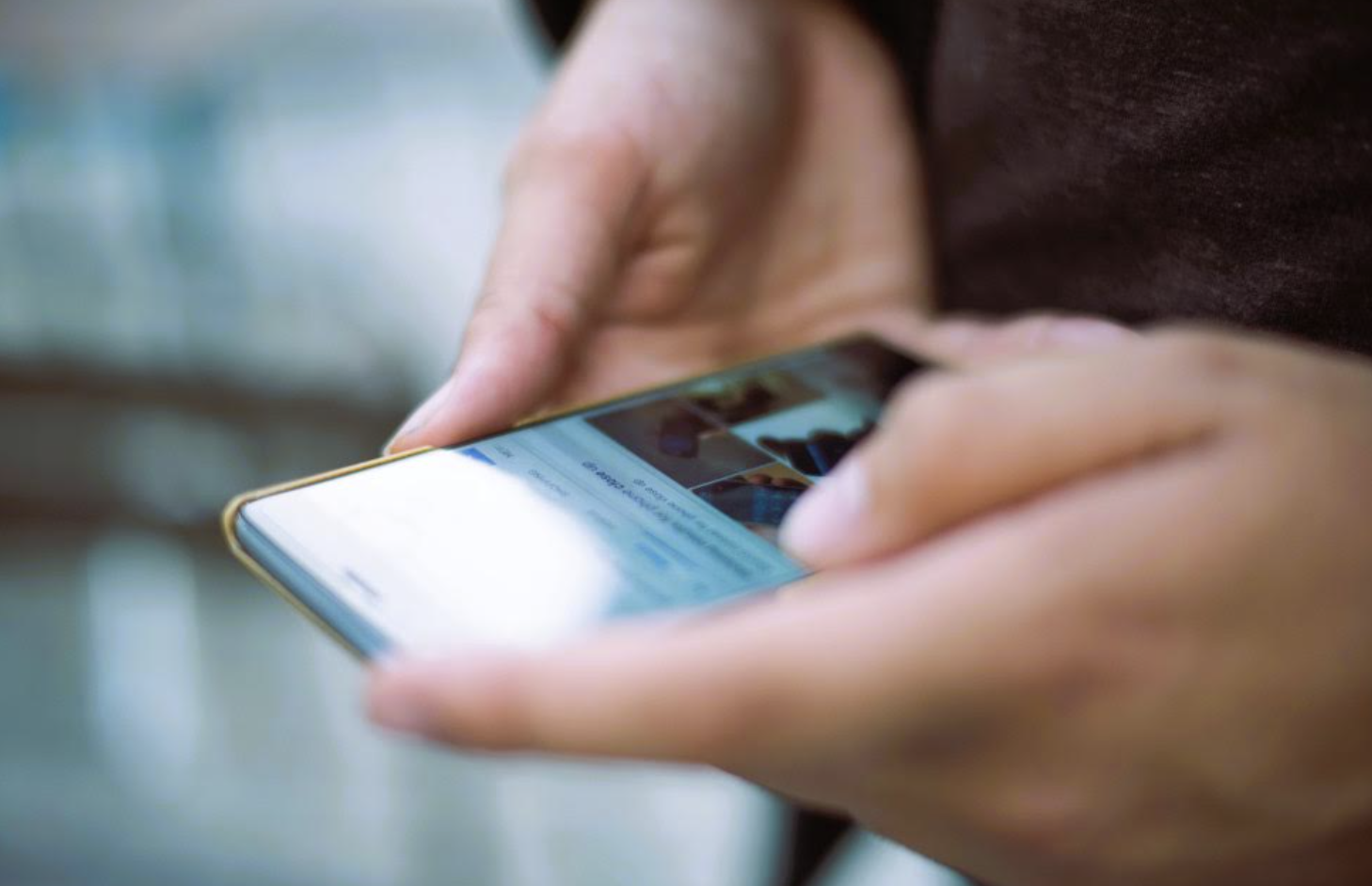
Nowadays, media regulation in Malaysia is largely controlled by the government and regulatory bodies. Public influence, seemingly, is driven by digital media and online netizens, also known as “keyboard warriors.”
In everyday Malaysian life, many people tend to be politically passive and reluctant to speak out in real life. However, in online spaces, netizens seem to be opinionated, with significant expression, criticism, and influence over mainstream media propaganda.
In Malaysia, real-life conversations about politics, social injustice, or sensitive national issues are often avoided. The reluctance is rooted in cultural norms, the fear of legal consequences, and long-standing laws that regulate the so-called “freedom of speech,” particularly on sensitive topics involving race, religion, and royalty. Consequently, most Malaysians choose silence in public or private physical spaces. However, this does not disregard the people’s opinion. Instead, the opinion will be bombarded directly on digital platforms, behind the scenes.
Moreover, social media has transformed the Malaysian layperson into an active participant in media narratives. For example, platforms like X (Twitter), Instagram, TikTok, and Facebook let netizens comment on breaking news, call out misinformation, and put pressure on media institutions to address specific concerns. In numerous cases, conventional media outlets only cover a topic after it acquires popularity online. Hashtags, viral videos, and online discussions frequently influence what is newsworthy, implying that digital audiences now play an important role in influencing media attention.
Furthermore, this transformation has resulted in a form of bottom-up media influence. While editors, owners, and political interests formerly dominated traditional media, the Internet rage, public opinion, and virality now have a greater influence on the media agenda. To illustrate, sharing, commenting, and amplifying content, internet users determine which stories will draw attention. In order to stay relevant, media outlets are nearly compelled to react when a topic becomes popular online, either by reporting on it or making their position clear.
Interestingly, this online activity sharply contrasted with Malaysian’s real-life behaviour. In everyday discourse, most Malaysians are cautious, non-confrontational, and disengaged from open discourse. This passiveness is rooted in Malaysians for years of rigid media control and political supremacy. As a result, social media provides an alternate public realm in which people can express themselves free of the immediate pressures of authority, hierarchy, and social judgment.
However, this type of digital control over material is not free from its consequences. While netizens can bring critical topics to the spotlight, online spaces are also vulnerable to misleading information, emotional reactions, and mob behaviour. Media outlets may promote viral material over boring factual material.
Simultaneously, digital media does not eliminate conventional power systems. Although netizens influence media narratives, legal authority still lies with the state. The government, through laws and regulatory organisations, retains the authority to remove content, ban websites, and take legal action against persons or organisations. This results in a complex situation in which the media is influenced by both top-down and bottom-up popular pressure.
In this regard, the Malaysian media landscape is currently dominated by two forces, which are formal governmental regulation and informal netizen regulation. While the government determines what is legally acceptable, netizens decide what is visible, viral, and socially meaningful. Media organisations are trapped in the middle, juggling regulatory constraints with online public expectations.
In conclusion, while Malaysians may appear passive in real-life situations, their passivity does not indicate a lack of opinion or concern. Instead, it emphasizes how digital media has become the dominant means of expression and impact. In today’s Malaysia, the media is increasingly shaped by online communities rather than just institutions and rules. This transition poses critical problems about responsibility, truth, and power in the digital era, making media control a more collaborative and contentious process.
The author is an undergraduate student of Universiti Malaya, taking an elective university course entitled “Introduction to Journalism and Storytelling in Digital Age”, and may be contacted via nahrizuladib@um.edu.my

Leave a Reply