
By Zahid Ibrahim
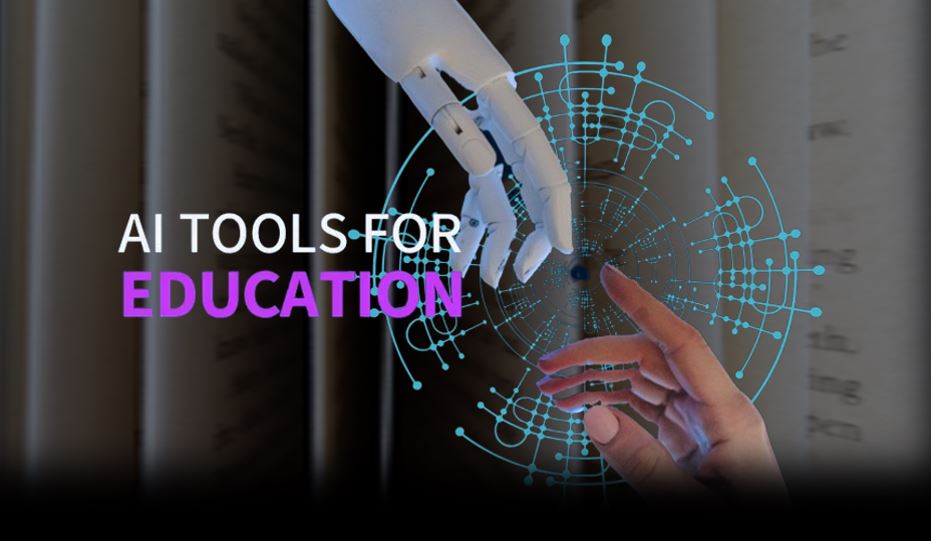
This particular essay looks at the positive impact of using AI tools and software to complete assignments in tertiary educational institutions – a topic that has sparked a lot of debate. Some swears by the use of AI tools and software, while others detest the mere mention of its name.
From my perspective, AI-powered tools and software significantly enhance education by making the learning process more engaging and efficient.
In higher education, students often face the pressure of producing high-quality work under tight deadlines. This load can be overwhelming. AI tools like ChatGPT, Grammarly, Jenni AI and similar software can offer much-needed support by helping students generate ideas, improve their writing, and organize their work.
For example, when working on research papers, students can use AI to brainstorm topics, summarise literature reviews, polish their thesis statements, or even analyse data. This doesn’t just save time but also leads to better results. It’s part of a larger trend where technology supports academic endeavour by providing better tools for students.
AI tools and software also encourage independent learning. By providing instant feedback on grammar, sentence structure and choice of words, these platforms help students identify and fix mistakes right away.
This is a big advantage compared to traditional methods, where students often have to wait for feedback from teachers. Instant responses build confidence and strengthen understanding, especially for non-native speakers of English. With AI taking care of the technical details, learners can focus more on what they want to say in their work.
Another important benefit is how AI makes learning resources more accessible. These tools and software are available to a wide range of users, making it easier for students from different financial and social backgrounds to get quality educational support.
For instance, a student in a rural area with no access to tutors can still use AI to level the playing field and compete with peers in better-resourced environments. This is unheard of a few years back, as the best educators and facilities were concentrated in urban areas and can only be accessed physically.
Students can even use AI software to help them in everyday conversations. The newest iteration of Chat GPT can even converse like a real person on a wide range of topics.
AI tools can also spark innovation. By handling repetitive tasks like formatting or organizing references, AI frees up students to focus on more creative and intellectual activities. For example, a history student could use AI to manage citations quickly, leaving more time to write a compelling narrative or explore new perspectives on historical events.
Rather than limiting creativity, AI can expand the opportunities for original thinking.
Some critics worry that relying on AI might reduce creativity and deep thinking. However, using AI doesn’t have to replace critical thinking—it can complement it. Tasks like crafting good prompts, assessing AI-generated suggestions, and tailoring outputs require thought and effort.
For instance, if a student uses AI to draft a presentation, they still need to check that the content is relevant, accurate and meets the assignment’s goals. These steps involve analysis and decision-making, which are vital skills in academics and beyond.
Without a good understanding of how things work, students will not be able to produce anything noteworthy even using the best AI tools.
Of course, ethical considerations are key. Educators should teach students how to use AI responsibly. These tools should be seen as a way to learn and grow, not as a shortcut to avoid studying. By encouraging ethical use, teachers can help students know how to use technology without sacrificing academic honesty.
In summary, AI software has the potential to transform higher education by improving efficiency, supporting independent learning, and making resources accessible to everyone.
While concerns about abuse exist, proper guidance and ethical practices can ensure that AI complements human effort rather than replacing it. With thoughtful integration, students can develop the skills and confidence they need to thrive in today’s fast-changing world.
Are we ready to embrace this change? The answer depends on how we choose to use this powerful tool.
English Language Educator




Leave a Reply