
By MA Kadir
In a special session, the House of Representatives resolved to forward a motion on the Tak Bai incident to the government and the House’s ad hoc committee on legal affairs, justice, and human rights for deliberation, with a conclusion expected within 90 days.
The motion was made following expiration of the statute of limitations on the Tak Bai incident. It will present a turning point in how Thailand addresses the legacy of state violence in the deep South.
While criminal accountability is now out of reach, the motion from Parliament signals a shift toward political, moral, and institutional responsibility.
The Legal Dimension: Accountability Foreclosed
With the statute of limitations expiring on October 25, 2024, the window for criminal prosecution has officially closed. This means that officials involved in the deaths of 78 detainees from suffocation during military transport will not face legal consequences.
This development reflects a larger challenge in Thailand’s legal system, where cases involving state abuse and violence often fail to result in convictions.
The lack of criminal justice sends a troubling message to victims’ families and human rights groups, who argue that the state has failed to address wrongdoings. It also risks eroding public trust, especially in the conflict-prone southern provinces.
Parliament’s Motion: Political and Moral Accountability
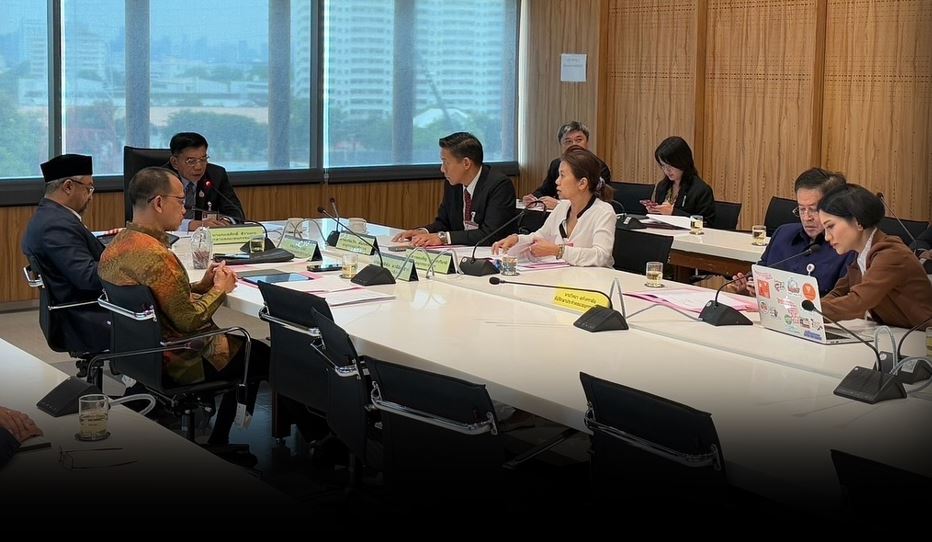
By submitting the issue to the ad hoc committee on legal affairs, justice, and human rights, MPs Romadon Panjor and Kamonsak Leewamoh are keeping the Tak Bai case in the public spotlight.
While this motion will not result in criminal charges, it could lead to reparations, policy recommendations, or a formal acknowledgment of past mistakes.
This pursuit of political accountability aims to show that injustice will not be ignored, even two decades later.
The committee’s report, expected in early 2025, could push for institutional reforms or measures to address long-standing grievances in the southern provinces. If handled effectively, the findings may influence future policies related to handling insurgency and state violence.
Broader Implications: Preventing Future Abuses
The motion also reflects a growing recognition of the need for systemic changes. The Tak Bai incident remains a symbol of how excessive force and impunity can deepen mistrust between the state and marginalized communities.
Parliament’s involvement sends a message that accountability can take multiple forms, even when legal avenues close.
The outcome of the 90-day review could affect how the government manages dissent in the future and whether it prioritizes human rights in handling security operations.
The case will be closely watched to see if the state moves beyond symbolic gestures and delivers meaningful reforms.
เหตุการณ์ที่ไม่เป็นธรรม คดีตากใบ – ความรับผิดชอบหลังสิ้นสุดกฎหมาย
ในการประชุมสมัยพิเศษเมื่อวันศุกร์ รัฐสภาเห็นชอบที่จะยื่นญัตติเกี่ยวกับเหตุการณ์ตากใบต่อรัฐบาลและคณะกรรมการพิเศษด้านกฎหมาย ความยุติธรรม และสิทธิมนุษยชนของรัฐสภา เพื่อหารือและจัดทำขึ้นภายใน 90 วัน
ญัตตินี้มีขึ้นหลังจากพ้นกำหนดเวลาสำหรับเหตุการณ์ตากใบแล้ว มันจะเป็นการเปิดบทใหม่ในแนวทางการจัดการกับความรุนแรงของรัฐบาลในภาคใต้ของประเทศไทย
แม้ว่าขณะนี้ความรับผิดชอบทางอาญาอยู่นอกเหนือการควบคุมแล้ว ญัตติที่รัฐสภานำเสนอถือเป็นความพยายามในการสำรวจความรับผิดชอบทางการเมือง ศีลธรรม และสถาบัน
มิติทางกฎหมาย: ความรับผิดชอบที่ล้มเหลว
โดยระยะเวลาจำกัดจะสิ้นสุดในวันที่ 25 ตุลาคม 2567 โอกาสในการดำเนินคดีอาญาจึงปิดลงแล้ว ซึ่งหมายความว่าเจ้าหน้าที่ที่รับผิดชอบต่อการเสียชีวิตของผู้ชุมนุม 78 รายเนื่องจากการหายใจไม่ออกจะไม่ได้รับการลงโทษทางกฎหมาย
ความล้มเหลวนี้แสดงให้เห็นถึงความอ่อนแอของระบบกฎหมายของประเทศไทย โดยเฉพาะในกรณีที่รัฐบาลใช้อำนาจในทางที่ผิด
การขาดความยุติธรรมผ่านช่องทางทางกฎหมายสร้างความเสียหายให้กับครอบครัวของเหยื่อและกลุ่มสิทธิมนุษยชน ซึ่งมองว่านี่เป็นหลักฐานที่แสดงถึงความล้มเหลวของรัฐในการยอมรับความผิด นอกจากนี้ยังเสี่ยงที่จะทำลายความไว้วางใจของประชาชนโดยเฉพาะในภาคใต้ที่มีความไม่สงบ
ญัตติรัฐสภา: ความรับผิดชอบทางการเมืองและศีลธรรม
คณะอนุกรรมการซึ่งมีสมาชิกสภาผู้แทนราษฎรนราธิวาส (เขต 5) เป็นประธาน นายกมลศักดิ์ ลีวาเมาะ โดยมีสมาชิกสภาผู้แทนราษฎร จ.ปัตตานี นายรอมฎอน ปันจอร์ พยายามให้ประเด็นตากใบเป็นที่น่าสนใจของสาธารณชน
กมลศักดิ์ ลีวาเมาะ หรือที่รู้จักกันดีในชื่อ แวยูแฮ ในหมู่ชาวไทยภาคใต้ ยังเป็นประธานคณะกรรมการกฎหมาย ความยุติธรรม และสิทธิมนุษยชน ของรัฐสภาไทย
แม้ว่าการเคลื่อนไหวนี้จะไม่นำไปสู่การฟ้องร้อง แต่ก็อาจกระตุ้นให้เกิดข้อเสนอเชิงนโยบาย หรือการรับรู้ถึงการกระทำผิดในอดีตอย่างเป็นทางการ ความเคลื่อนไหวนี้สะท้อนให้เห็นถึงความพยายามเพื่อให้แน่ใจว่าจะไม่ลืมความอยุติธรรม แม้จะผ่านไป 20 ปีแล้วก็ตาม
รายงานของคณะกรรมการ ซึ่งคาดว่าจะแล้วเสร็จในต้นปี 2568 อาจเสนอแนะการปฏิรูปสถาบันและมาตรการเพื่อแก้ไขความไม่พอใจที่ยังคงมีอยู่ในภาคใต้
หากได้รับการจัดการอย่างเหมาะสม การค้นพบนี้อาจส่งผลต่อนโยบายในอนาคตที่เกี่ยวข้องกับการก่อความไม่สงบและการก่อการร้ายระดับชาติ
ผลกระทบที่กว้างขึ้น: การป้องกันการละเมิดในอนาคต
ข้อเสนอนี้ยังสะท้อนถึงความตระหนักรู้ถึงความจำเป็นในการเปลี่ยนแปลงอย่างเป็นระบบ เหตุการณ์ตากใบกลายเป็นสัญลักษณ์ของการใช้อำนาจโดยมิชอบและวัฒนธรรมการไม่ต้องรับโทษ ซึ่งส่งผลให้เกิดความสัมพันธ์ที่ร้าวฉานระหว่างรัฐบาลกับประชาชน
การมีส่วนร่วมของรัฐสภาส่งหมายว่าความรับผิดชอบสามารถทำได้ผ่านรูปแบบต่างๆ แม้ว่ากฎหมายจะไม่อนุญาตให้ดำเนินคดีอีกต่อไปก็ตาม
ผลการศึกษาระยะเวลา 90 วันนี้จะมีผลกระทบต่อวิธีที่รัฐบาลจัดการกับการประท้วง และดูว่ารัฐบาลให้ความสำคัญกับสิทธิมนุษยชนในการปฏิบัติการด้านความมั่นคงหรือไม่
กรณีนี้จะเป็นเกณฑ์มาตรฐานสำหรับความพยายามของรัฐบาลในการก้าวไปไกลกว่าการแสดงเชิงสัญลักษณ์และดำเนินการปฏิรูปที่มีความหมาย



Leave a Reply