
By MA Kadir
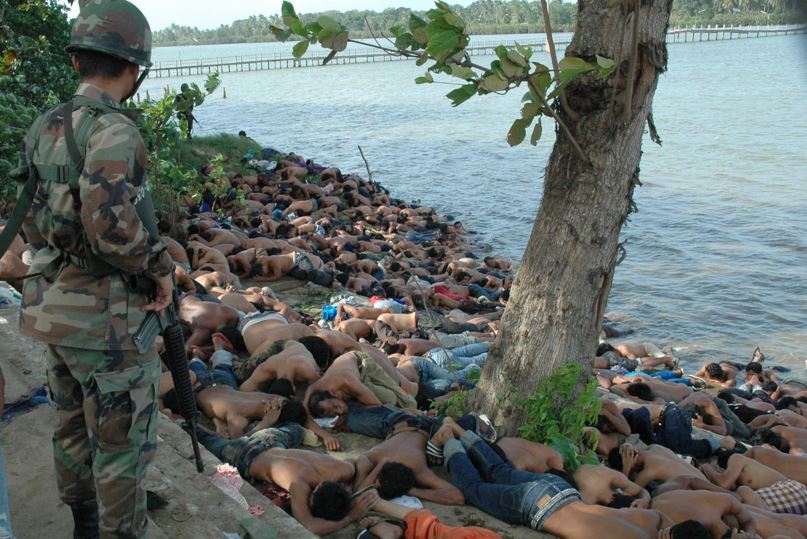
The Tak Bai tragedy, which occurred on October 25, 2004, is a pivotal event in Thailand’s ongoing struggle with violence and unrest in the southern provinces.
The brutal police response to a peaceful protest resulted in the deaths of seven demonstrators, while 78 others died during transport due to suffocation and neglect.
Despite the gravity of the incident and the international outcry it generated, a lack of accountability for the authorities involved raises significant concerns about the prospects for justice for the victims and their families.

Historical Context
The conflict in Thailand’s Deep South, encompassing the provinces of Pattani, Yala, and Narathiwat, has roots in historical grievances dating back over a century. The region, home to a predominantly Malay Muslim population, has experienced a cycle of violence fueled by ethnic and religious tensions, governmental neglect, and violent suppression of dissent.
The Tak Bai incident is emblematic of a broader pattern of human rights abuses committed by state forces in the region, which have consistently gone unpunished.
Legal Framework and Accountability
In the wake of the Tak Bai tragedy, the Thai government established some investigations, yet these efforts have been widely criticized for their lack of transparency and efficacy.
Human Rights Watch and other organizations have highlighted the failure to prosecute those responsible for the deaths, viewing this as part of a broader culture of impunity surrounding state violence in Thailand .
The expiration of the statute of limitations, set at 20 years for criminal cases in Thailand, poses a significant obstacle to justice. As the deadline approaches, there is growing concern that the failure to bring charges against key individuals—such as those responsible for the shooting of the protesters and the subsequent mistreatment of detainees—will allow perpetrators to evade accountability permanently.
The recent call for testimony from seven individuals, coupled with warrants issued for their arrest, illustrates the judiciary’s struggle to confront systemic injustices .
Judicial Implications
The absence of meaningful judicial proceedings highlights several critical issues:
- Impunity and Trust in Justice: The lack of prosecutions erodes public trust in the judicial system. Victims’ families and the broader community feel abandoned, which perpetuates a cycle of violence and dissent.
- Legal Precedent: The failure to hold authorities accountable could set a dangerous precedent for future incidents of state violence. It suggests that state actors can act with impunity, undermining the rule of law and human rights in the region.
- Political Will: The political landscape in Thailand plays a significant role in judicial outcomes. The connection of some individuals implicated in the tragedy to powerful political figures raises questions about whether the judicial system can operate independently and impartially.
The Path Forward
For justice to be realized for the Tak Bai victims, several steps must be considered:
- Reform the Legal Framework: Adjusting the statute of limitations for human rights abuses would allow for prosecution beyond the current 20-year limit, reflecting the need for accountability in severe cases.
- Independent Investigations: Establishing an independent commission to investigate the Tak Bai incident and related abuses could provide a path to accountability and ensure transparency in judicial processes.
- Support from Civil Society: Human rights organizations and local advocacy groups must continue to apply pressure on the Thai government to take meaningful action. International attention can also serve as a powerful tool in seeking justice.
In conclusion, the Tak Bai tragedy remains a painful reminder of the ongoing struggle for justice in Thailand’s Deep South.
The combination of systemic impunity, political interference, and a lack of genuine commitment to human rights poses significant barriers to achieving justice for the victims and their families.
Only through comprehensive legal reforms, independent investigations, and robust civil society engagement can the promise of justice begin to be realized, fostering hope for a more equitable and accountable future.



Leave a Reply