

By MA Kadir
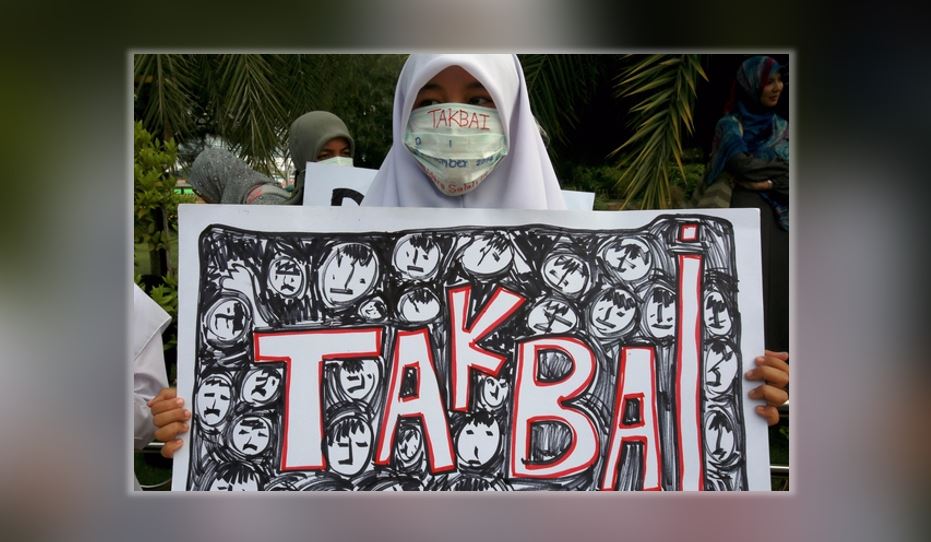
The Tak Bai court case centers on the 2004 Tak Bai incident in southern Thailand, where a protest was met with excessive force by Thai security personnel, resulting in the deaths of 85 Muslim protesters, with 78 of them suffocating while being transported in military trucks.
This event remains a significant marker of the tensions between the Thai government and the Malay-Muslim population of the southern provinces, particularly in Narathiwat, Yala, and Pattani. The court case has profound implications for justice, state accountability, and the broader peace process in Southern Thailand.
Accountability and Impunity
One of the most pressing issues in the Tak Bai case is the lack of accountability for the actions of the Thai security forces. The failure to prosecute high-ranking military and police officials responsible for the deaths of the protesters reflects a culture of impunity within Thailand’s security apparatus.
Despite the widespread outcry and calls for justice, the key defendants – including former military and police commanders – have largely avoided legal consequences, either through political immunity or other legal protections.
Most recently, as the court case progresses, many of the defendants failed to appear in court, prompting warrants for their arrest. This raises critical concerns about the independence of the judiciary and its ability to hold powerful state actors accountable.
The involvement of former and current members of Parliament, including General Pisan Wattanawongkiri, underscores the political complexities involved in prosecuting state officials, many of whom enjoy parliamentary immunity or other forms of protection from legal action.
Justice Delayed
The slow pace of the legal proceedings – nearly two decades after the incident – has fueled frustration among the victims’ families and the wider Malay-Muslim community in Southern Thailand.
Justice delayed is often seen as justice denied, and the lengthy legal process has deepened feelings of marginalization among the southern Muslim population.
The continued delays in bringing the accused to trial undermine the credibility of the legal system and reinforce perceptions that the state is unwilling or unable to deliver justice for its marginalized citizens.
Ethnic and Religious Tensions
The Tak Bai incident is deeply intertwined with the ethnic and religious tensions in Southern Thailand. The Malay-Muslim population has long felt alienated and excluded from the predominantly Buddhist Thai state.
The violent crackdown on protesters, many of whom were demonstrating against the perceived discrimination and heavy-handedness of the state, symbolized the systemic repression faced by the Muslim minority.
The court case, in this context, is not just about legal justice but also about addressing the historical grievances and political marginalization of the southern provinces.
Impact on Peace and Security
The unresolved nature of the Tak Bai case has had a negative impact on peace-building efforts in the region. The southern insurgency, fueled by a combination of religious, ethnic, and political factors, has continued to claim thousands of lives since the early 2000s.
The lack of justice for the victims of Tak Bai serves as a rallying point for insurgent groups, who use it to further their narrative of state oppression and injustice.
Moreover, the state’s inability to prosecute those responsible for the Tak Bai tragedy undermines broader efforts at national reconciliation.
It reinforces the notion that the state is unwilling to confront its own role in perpetuating violence and discrimination in the region, making it more difficult to win the hearts and minds of the local population.
Legal and Constitutional Challenges
The constitutional protections afforded to MPs, such as General Pisan Wattanawongkiri, illustrate the challenges in navigating legal immunity in cases involving state violence.
The Thai constitution allows MPs to avoid legal prosecution while Parliament is in session, a provision that has delayed proceedings in the Tak Bai case.
While such provisions are intended to protect political stability, they can also serve to shield individuals from accountability, especially in cases involving human rights abuses.
This legal loophole complicates the pursuit of justice, as key defendants may continue to evade trial until the statute of limitations expires. In the case of Tak Bai, the statute of limitations is set to expire in October 2024, which raises the stakes for the court and victims’ families, as the possibility of permanent impunity looms.
Broader Implications
The Tak Bai case has broader implications for Thailand’s rule of law, human rights, and democratic governance. The state’s failure to adequately address the grievances of the Malay-Muslim population through legal channels risks further entrenching divisions and fueling radicalization.
The perception that the legal system is biased in favor of powerful state actors erodes public trust in institutions and deepens the sense of alienation among minority communities.
Furthermore, the case serves as a reminder of the importance of civil-military relations in Thailand. The military’s dominant role in politics and governance has often resulted in human rights violations being overlooked or dismissed.
The Tak Bai case, like other incidents of state violence, underscores the need for civilian oversight of security forces and the importance of transparency and accountability in maintaining public order and upholding human rights.
In conclusion, the Tak Bai court case remains a symbol of injustice and unresolved tensions in Southern Thailand. The slow legal process, combined with the political immunity enjoyed by key defendants, reflects deep-rooted issues within the Thai legal and political system.
If justice is not served, the case risks further alienating the southern Muslim population and complicating efforts to achieve peace and reconciliation in the region.
Addressing the legacy of state violence and ensuring accountability for those responsible is critical to healing the wounds of the past and preventing future conflicts.




Leave a Reply