

By Makadir Ajam
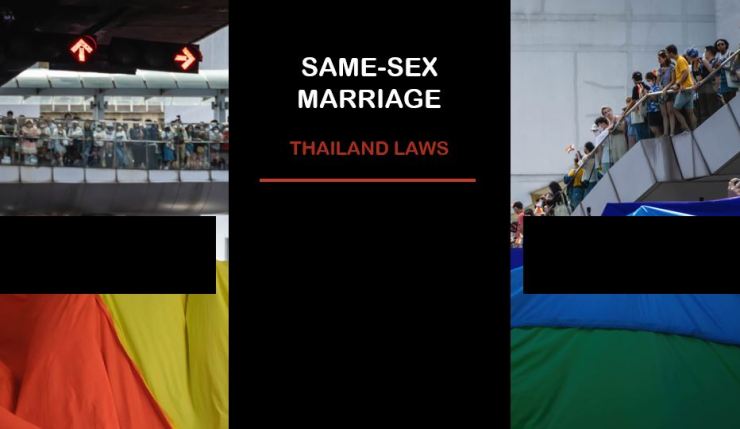
Thailand’s recognition of same-sex marriage, while a landmark decision, introduces a host of technical issues within the ASEAN framework that could lead to significant challenges and tensions.
This progressive step clashes starkly with the prevailing conservative and traditional values held by many ASEAN member states, presenting a complex web of legal, social, and diplomatic hurdles.
Firstly, the legal frameworks across ASEAN are highly divergent, with countries like Malaysia, Indonesia, and Brunei enforcing strict anti-LGBTQ laws.
Thailand’s new law, which requires amendments to replace gender-specific terms with gender-neutral ones, sets a legal precedent that is incompatible with the statutory frameworks of its neighbors.
This discrepancy is likely to create cross-border legal complications, particularly in matters of marriage recognition, inheritance rights, and child adoption, potentially leading to disputes and a lack of legal protection for same-sex couples traveling or relocating within the region.
Administratively, Thailand faces the immense task of overhauling its bureaucratic processes to accommodate same-sex marriage. This includes extensive training for government officials, updates to civil registries, and the reformation of legal documents. The administrative burden is significant, and any missteps could result in bureaucratic inefficiencies and public confusion, undermining the law’s implementation.
In terms of social services, integrating same-sex marriage into the existing framework presents challenges in healthcare, social security, and public benefits. Ensuring that same-sex couples receive equitable treatment will require comprehensive policy revisions and robust anti-discrimination measures.
However, given the deep-rooted traditional and religious beliefs in many ASEAN countries, the likelihood of resistance and backlash from service providers and the public is high, which could hinder access to these essential services.
Culturally and religiously, Thailand’s decision to exempt Muslim-majority provinces from the new law underscores the deep divide within the country and the broader region.
This exemption, while intended to respect local Islamic laws, could fuel sectarian tensions and create a fragmented legal landscape. The inconsistency in applying the law might foster feelings of inequality and alienation among different religious and cultural groups.
Regionally, Thailand’s move places it at odds with many of its ASEAN neighbors, threatening regional cohesion. Countries with strong anti-LGBTQ stances may view Thailand’s law as a challenge to their own cultural and legal norms, potentially leading to strained diplomatic relations and weakening ASEAN’s collective unity.
This discord could impede cooperation on other regional issues and weaken the organization’s ability to present a united front on the global stage.
Moreover, the introduction of this law may spur conservative backlash and embolden anti-LGBTQ sentiments across the region. Governments in neighboring countries might react by tightening their own anti-LGBTQ laws to placate conservative constituencies, leading to increased persecution and discrimination against LGBTQ individuals.
This reactionary stance could set back human rights advancements and deepen societal divisions.
In conclusion, while Thailand’s recognition of same-sex marriage is a significant step towards equality, it presents numerous technical issues within the ASEAN framework that could lead to legal inconsistencies, administrative challenges, social resistance, and regional discord.
The law’s implementation will require careful navigation of these complexities to mitigate negative repercussions and foster a more inclusive environment both within Thailand and across Southeast Asia.
Meanwhile, despite 38 countries worldwide, with Nepal being the latest, recognizing same-sex marriage by 2024, significant challenges and resistance persist. Progress has been uneven, with Europe and the Americas leading, but often facing political and societal pushback.
In Asia, countries like Taiwan and Thailand have made strides, but they remain exceptions in a region largely resistant due to cultural and religious barriers. Africa and the Middle East continue to uphold laws that not only deny marriage equality but also criminalize homosexuality, reflecting severe opposition.
Overall, while 17 percent of the world’s 1.4 billion populations accepted the upside-down marriage, substantial disparities and hurdles remain in this homo-marriage equality.



Leave a Reply