

By Amir Firdaus Khan
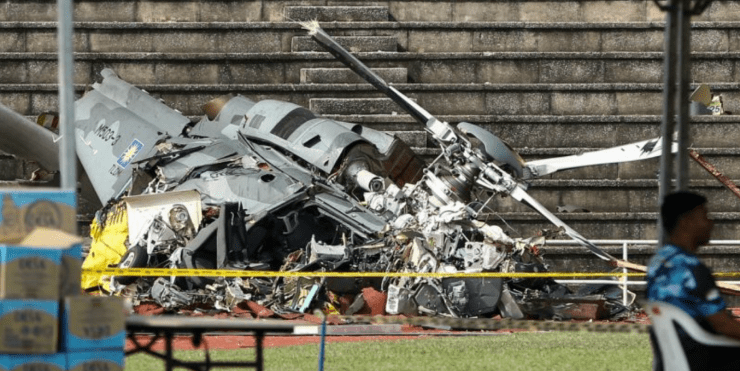
THIS week was another lesson on crisis and media management for our military communicators. On April 22, two Royal Malaysian Navy aircraft collided mid-air and crashed, resulting in 10 deaths. They include the commanding officers of Squadron 502 and 503, a big loss to the nation indeed.
The media’s initial response was understandable, with every media outlet, mainstream or otherwise, trying to gather as much information in the fastest time possible to publish and put on air. I was told that some even used their Navy contacts in the hopes to get an exclusive, but to no avail.
However, it went downhill towards early afternoon of the day of the incident, when many reporters and their photo crew ended up at the residence of the victims’ families looking for new sound bites and playing the ‘human interest’ angle of various degrees. They also took to social media platforms and unearthed visuals of those perished. I was told that there was an incident where a person claiming to be a relative of one of the victims when he is not and the whole time recording!
In addition, there were reporters who were a bit clueless about the whole thing that they end up asking the Royal Malaysian Air Force for information. I guess they are not a fan of the Top Gun movies about naval aviators. Or their search about Malaysian military aviation did not include the air wings of the army and navy. But I digress.
As official information was slow to release, there were navy insiders eager to share all sorts of visuals and information (including initial accident report) which were later picked up by media outlets and individuals alike. I heard a retired editor complaining about how the Navy should have controlled what information to reach the public domain, which sounded funny to me. With the internet and the age of smart phones, who can stop anyone from posting and sharing anything? Even our Minister of Communication is unable of such feat.
To add to the mix are the public users, the netizens if you like. Everyone had an opinion on everything, this tragedy is no exception. The comments, especially personal in nature, were unnecessary and in bad taste. The keyboard warriors saw opportunities to have their five seconds of fame while the nation mourns.
At the RMN Headquarters in Kuala Lumpur, the Strategic Communications office had to manage the first few hours of the incident with the Chief of Navy being abroad for a conference. The Defence Ministry’s Hari Raya open house event that day became the first platform for the Minister, the Chief of Defence and Deputy Chief of Navy to address the media.

The coordination with Lumut and units all over Malaysia were done continuously not only with regards to dissemination of information, but in various aspects such as logistics and ceremonial requirements. The HQ’s protocol officer I was told coordinated the mobilisation of personnel for each of the 10 victims’ funeral proceedings , which of course were conducted according to naval traditions.
All the victims were safely interred in their respective final resting place by Thursday, April 25 with the late Lieutenant T. Sivasutan the last to be buried. And after the burial, eyes will then turn towards the investigation of the incident. Already, theories are abound on what caused the collision. This incident is the worst the RMN has experienced, and one of the worst Malaysia has seen. Families will want answers for closure, as do the Navy and the country. May they stay strong in the days to come and carry on the legacy of their loved ones with honour and pride.


Leave a Reply