
By Jeyasakthy Saniasiaya
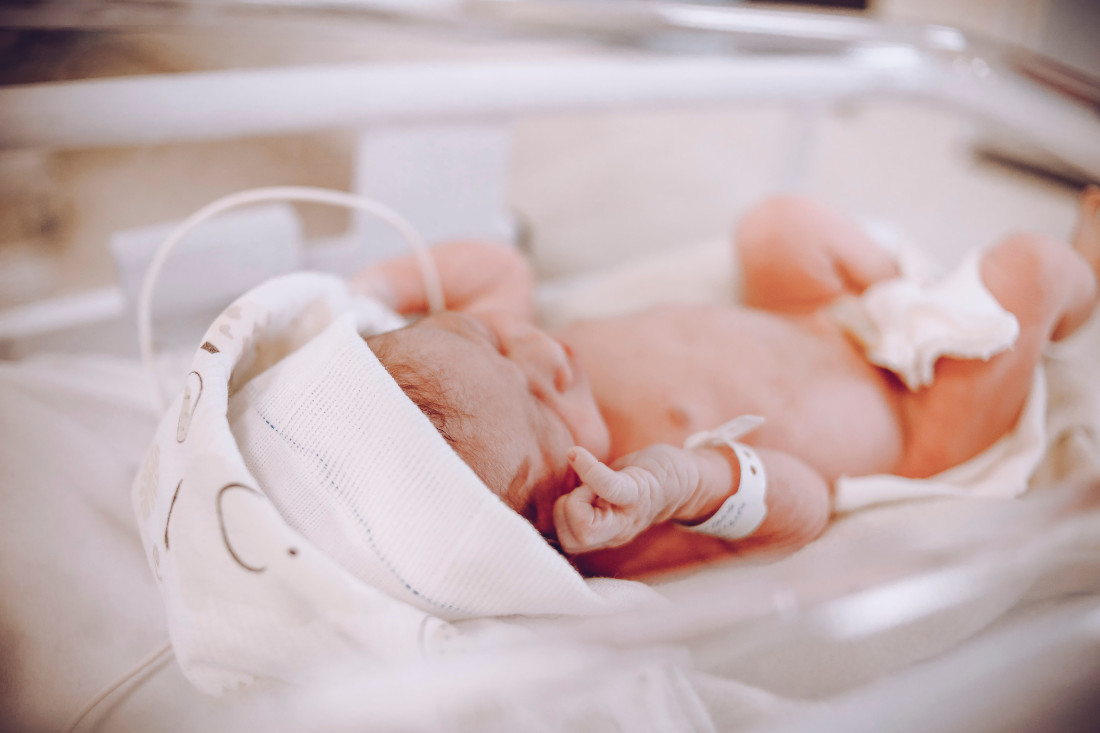
The first time parents hold their newborn is usually a moment they have imagined for months. Tiny fingers curl around theirs, photographs are taken, and quiet hopes for the future begin to take shape. For some families, however, those precious first moments are interrupted almost immediately. Instead of hearing their baby’s cries, they hear hurried instructions from doctors and nurses. Instead of bringing their child home a few days later, they find themselves standing beside an intensive care bed, watching machines help their baby do something that most of us rarely think about: breathe.
For some of these children, the next step is a tracheostomy. The word itself often sounds unfamiliar and frightening to parents who are hearing it for the first time. A tracheostomy is a small surgical opening created at the front of the neck, allowing a tube to be placed directly into the windpipe so that a child can breathe safely. Although the sight of the tube can be overwhelming at first, it is often the very reason a child is able to recover, leave intensive care and continue growing.
Accepting that reality is never easy. Parents naturally wonder what life will look like after the operation. They worry whether their child will be able to speak, attend school, celebrate birthdays with friends or simply run around the playground like other children. These questions do not disappear overnight, but as the days become weeks, many families begin to see the tracheostomy differently. What first appeared frightening gradually becomes part of everyday life because it allows their child to keep living, learning and reaching the milestones they once feared might never come.
Life at home also brings new responsibilities. Parents learn skills they never imagined they would need, from cleaning and changing the tracheostomy tube to recognising early signs of blockage and responding calmly during emergencies. Hospital appointments become part of the family routine, and even simple outings require careful planning. These responsibilities demand patience and constant attention, yet they are embraced with remarkable determination because every small effort helps a child breathe more safely.
Alongside these new routines come sacrifices that are often unseen by those outside the family. Some parents reduce their working hours or leave employment altogether so that someone is always available to provide care. Medical appointments, specialised equipment and daily supplies add financial pressures, while interrupted sleep and constant vigilance gradually become part of ordinary family life. Even so, these challenges are often balanced by moments that other families might easily take for granted: watching a child blow out birthday candles, carrying a school bag for the first time, laughing with siblings at the dinner table or returning home after another encouraging hospital review. These ordinary moments become quiet reminders of how far the family has come.
Medical care plays a vital role in making these moments possible, but the journey does not end at the hospital. As children grow older, they also begin to experience the world beyond their homes, and this is where understanding from the wider community becomes just as important. Families often speak about the curious stares, whispered conversations or hesitant reactions they encounter in public places. Although these responses are rarely intended to be unkind, they can leave children feeling as though the tracheostomy is the first thing others notice about them.
In reality, the tube is only one small part of a child’s life. Like every other child, they look forward to birthday parties, enjoy playing in the park, make friends at school, argue with their siblings and dream about what they hope to become when they grow up. Their childhood is no less meaningful simply because they breathe in a different way.
Schools have an important role in helping these children feel included. With appropriate preparation and close collaboration between teachers, parents and healthcare professionals, many children with tracheostomies are able to participate safely in school life. What they need most is an environment where they are welcomed as members of the class, encouraged to learn alongside their friends and given opportunities to participate according to their abilities rather than being defined by a medical condition.
The same principle extends beyond the classroom. Neighbours, relatives, employers and members of the public all contribute to the environment in which these families live. Sometimes support comes through practical help, while at other times it is simply expressed through kindness, patience and acceptance. A friendly conversation, an invitation to join community activities or the willingness to see the child before noticing the medical equipment can make families feel that they truly belong.
Advances in paediatric healthcare have transformed what was once an uncertain future into one filled with hope for many children. A tracheostomy is no longer simply a medical procedure that keeps a child alive. For many families, it represents the opportunity to watch their child grow, learn, laugh and experience the ordinary moments that make up a happy childhood.
Every child deserves to be recognised for their personality, their interests and the dreams they carry for the future rather than for the medical device that helps them breathe. When we begin by seeing the child before the tracheostomy, we also begin to build a community where understanding replaces fear, acceptance replaces hesitation, and every child is given the opportunity not only to survive, but to enjoy the fullness of childhood.

Dr Jeyasakthy Saniasiaya is an Associate Professor and Consultant Paediatric Otorhinolaryngologist at the Faculty of Medicine, Universiti Malaya, and she is also the pioneer of Malaysia’s first Paediatric Vestibular and Balance Clinic. She may be reached at jeyasakthy@um.edu.my
Leave a Reply