
By Vincent D’Silva
JOHOR BAHRU: Long before Befrienders Johor Bahru became a familiar voice of comfort to those navigating loneliness, depression and emotional despair, it began with one woman answering telephone calls she could no longer carry alone.
The calls came at all hours — from former fellow patients in the psychiatric ward of Hospital Sultanah Aminah who were searching for someone who understood the darkness they were facing.
That woman was Madam Ivy Wong, who had herself been admitted to hospital while struggling with depression. After recovering and returning home, she continued receiving calls from friends who remained in the ward.

Their voices followed her beyond the hospital walls, reaching out in fear, distress and desperation.
“She realised she could not do it alone,” said Befrienders Johor Bahru past president Sim Ah Moi, affectionately known as Sam in an exclusive interview with ApaKhabar TV News Online.
“With a group of friends from the Mental Illness Awareness and Support Association, or MINDA, she started Befrienders Johor Bahru.”
From those deeply personal beginnings in 2006, an organisation was born — not from grand ambitions or public acclaim, but from the simple and profound belief that no one in emotional pain should have to suffer without being heard.
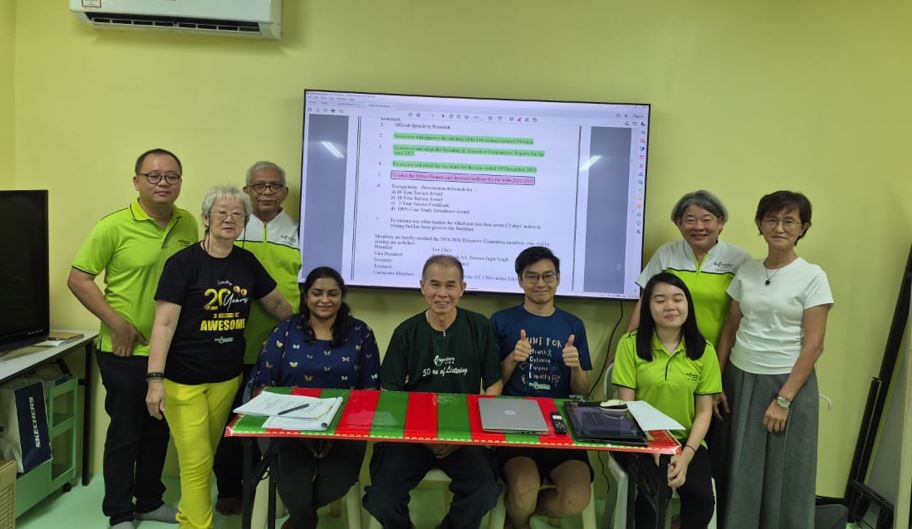
As Befrienders Johor Bahru marks its 20th anniversary, its journey stands as a quiet testament to the healing power of human connection.
Sim, one of five pioneering volunteers who have served the organisation for two decades, said its earliest operations were modest.
“When we first started, there was only the telephone helpline. We operated from 7pm to 10pm with just 16 volunteers,” she recalled.
As awareness grew and more volunteers stepped forward, the service gradually extended its operating hours from 1pm until midnight.
However, the Covid-19 pandemic and the subsequent Movement Control Order brought new challenges. A number of volunteers resigned, forcing the organisation to reduce its operating hours.
Today, Befrienders Johor Bahru provides free and confidential emotional support daily from 1pm to 10pm through telephone calls, WhatsApp and email.
Its email service was introduced in 2016 after Befrienders Kuala Lumpur became overwhelmed by the volume of messages it received.
“We thought we could help ease some of their workload,” Sim asserted.
“It also suited people who preferred to write about their feelings rather than speak about them.”
The growth of smartphones later transformed the way people communicated, particularly among younger generations.

Recognising the changing landscape, Befrienders Johor Bahru introduced its WhatsApp befriending service.
“Almost everyone was texting, so we had to keep up with the trend and reach the younger group,” Sim said.
“Now, we receive more WhatsApp conversations than telephone calls.”
Although technology has changed the manner in which people seek help, the organisation’s purpose has remained unchanged: to listen patiently, compassionately and without judgement.
For Sim, one encounter remains especially close to her heart.
A young man whom she had once listened to for more than an hour later visited a Befrienders publicity booth at a university campus. He asked the volunteers there to convey his gratitude to the person who had taken his call.
Several days later, he telephoned the helpline and repeated the same message.
Sim happened to be at the centre when the call came through.
“The volunteer who took the call was very excited when she told me about it,” she said.
“We are silent warriors. We work anonymously and quietly. When someone reaches out to thank you for helping him through a difficult journey, you find meaning in this work.”
She said such moments reminded volunteers that listening, though seemingly simple, could become a lifeline for someone standing at the edge of hopelessness.
“You feel grateful that you were able to help,” she added.
Over the years, volunteers have listened to people burdened by fractured relationships, family conflict, workplace difficulties, loneliness and depression.
“Most emotional struggles are connected to relationships, whether they involve family members, colleagues, friends or partners,” Sim said.
“We also receive calls from single people who are struggling with loneliness. A fair number of people with depression contact us after being referred by their doctors.”
Yet becoming the listening voice at the other end of the line requires far more than goodwill.
Sim said prospective volunteers must first be mentally and emotionally stable, as they will regularly encounter stories of grief, despair and personal crisis.
“You must be able to detach yourself from the calls you handle,” she said.
Every potential volunteer undergoes an interview to assess whether he or she is suitable for the role. Those selected must complete three hours of training over 10 consecutive Saturdays before beginning a three-month probationary period in the telephone room.
The training teaches volunteers to listen without imposing their personal opinions, offering unsolicited advice or passing judgement.
“Not giving advice and not being judgemental require practice,” Sim stressed.
“One has to be very mindful of what is said.”

The emotional demands of listening to the pain of others can also weigh heavily on volunteers. To protect their well-being, volunteers debrief with their assigned buddies after every conversation.
“They must ‘offload’ at the centre so they do not carry the caller’s troubles home,” Sim explained.
Beyond the telephone room, fellowship forms an important part of the organisation’s culture. Monthly gatherings celebrate birthdays and friendships, while a social director organises park outings, trips beyond Johor Bahru and informal meals.
These bonds have helped sustain the volunteers through emotionally difficult work.
It is therefore fitting that the organisation’s 20th-anniversary gathering carries the theme “Compassion and Connection”.
Sim said the two words lie at the heart of everything Befrienders represents.
“We have compassion for our callers, and we need to find a connection with them before they feel safe enough to share their stories,” she said.
“Compassion and connection also apply to the volunteers because we are like one big family.”
That connection extends to the advisers, supporters and benefactors who have stood beside the organisation over the years, helping it survive, grow and continue serving the community.
As Befrienders Johor Bahru steps into its third decade, it hopes to rebuild its volunteer strength and eventually restore its pre-pandemic operating hours until midnight.
The organisation also intends to expand its outreach to schools and colleges, ensuring that young people know there is a safe space where their fears and struggles can be heard without criticism.
“We want them to know that there is an NGO willing to listen to them without judgement,” Sim said.
Her message to anyone suffering silently is both simple and urgent.
“It takes a lot of courage to take that first step, but do it,” she said. “You will find that Befrienders are very friendly people.”
For 20 years, Befrienders Johor Bahru has worked without applause, its volunteers largely unknown to the people whose lives they have touched. They do not promise to erase sorrow, mend every broken relationship or provide easy answers to life’s deepest wounds.
Instead, they offer something quieter but equally precious — a patient voice in the darkness, a compassionate presence in the silence and the assurance that, for at least one moment, no troubled soul has to walk alone.

Leave a Reply