
By Saraswathy Shamini Gunasekaran
Artificial Intelligence (AI) has become a driving force across industries, revolutionizing how we live and work. Reports from IBM and McKinsey highlight that the AI market is expanding by more than 120% each year. By 2025, AI-related jobs could reach 97 million worldwide, with 83% of companies making AI a core part of their strategy.
But not all AI is the same. There are different “types” of AI, each with unique capabilities. Traditional AI is highly effective at following programmed steps, like a chef following a recipe. Generative AI, on the other hand, is like a chef who can create entirely new dishes, adapting recipes to make something innovative every time. This article explores these two forms of AI and their roles in shaping the future of the energy industry.
Traditional AI: The Rule-Following Chef
Imagine a chef who follows a recipe to the letter. This chef, representing traditional AI, is great at repetitive tasks—making the same dish perfectly every time. Similarly, traditional AI is designed to perform specific tasks based on predefined rules and past data, which makes it ideal for analyzing structured data, automating routine processes, and generating precise results.
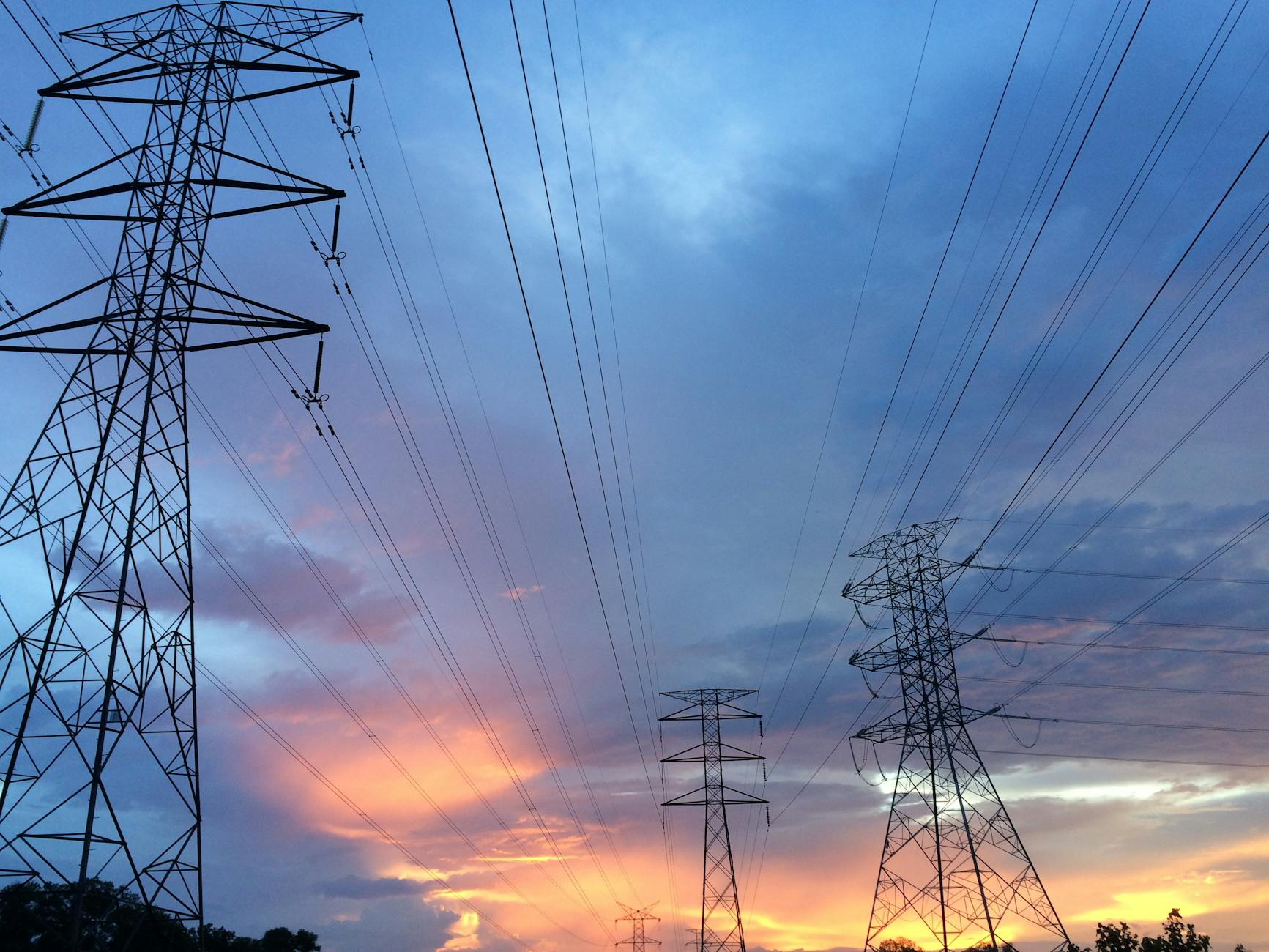
In the utility industry, traditional AI is used to keep systems running smoothly. For instance, predictive maintenance solutions help companies keep track of equipment health, like transformers and power lines, to prevent costly failures. According to McKinsey, this type of maintenance can reduce costs by 10-25% because companies can fix issues before they lead to major problems.
Generative AI: The Creative Chef
If traditional AI is like a chef who follows a recipe, generative AI is like a chef who invents new dishes from scratch. This type of AI doesn’t just follow preset rules—it learns patterns, adapts to new information, and generates unique solutions for complex challenges. Generative AI is a breakthrough in many industries, including the utility sector, where its capabilities are transforming how we manage energy systems.
In the energy industry, generative AI can simulate a wide range of future scenarios, from sudden drops in wind speed to unexpected spikes in energy demand. By analyzing real-time data along with historical patterns, generative AI models predict how the power grid will respond under different conditions. This ability is particularly valuable for integrating renewable energy sources, which are often unpredictable. For example, on a cloudy day when solar power output drops, generative AI might simulate how to adjust power distribution, temporarily increase output from other sources, or tap into battery storage to maintain grid stability.
Generative AI also shines in disaster preparedness. In cases of extreme weather—like storms or heatwaves that can strain or damage the grid—this AI can suggest optimal repair strategies, forecast which areas might face power shortages, and recommend actions to prevent widespread outages. By modelling various responses and outcomes, generative AI enables energy companies to make quick, informed decisions that enhance both resilience and sustainability.
Synergy of Traditional and Generative AI: A Balanced Approach
Bringing together traditional and generative AI is like having a well-rounded team with complementary strengths. Traditional AI provides reliability and efficiency, handling routine tasks and ensuring that systems operate smoothly and predictably. Generative AI, on the other hand, pushes the envelope by enabling adaptability and forward-thinking strategies. Together, they create a balanced approach for today’s utility industry.
In practice, traditional AI helps keep essential processes running without interruptions. For instance, it manages demand forecasting, schedules maintenance, and ensures efficient day-to-day operations. Meanwhile, generative AI works alongside it to tackle more complex challenges, such as integrating renewable energy sources or preparing for extreme weather. When traditional AI forecasts an increase in energy demand, generative AI can offer creative options to meet it, whether by shifting loads across the grid, optimizing battery use, or even suggesting new energy-saving strategies.
This partnership is invaluable in a sector where both stability and innovation are essential. While traditional AI anchors systems in consistency, generative AI helps utilities anticipate future needs and adjust in real time. Together, they empower the industry to meet growing energy demands, transition to cleaner sources, and deliver sustainable solutions that can adapt to a changing world.
Conclusion
Combining traditional AI’s reliability with generative AI’s creativity allows the energy industry to become more sustainable and adaptable. As we face new energy challenges, the synergy between these two AI types could lead to smarter, greener solutions that benefit everyone.

The author is a Senior Lecturer and Director of Institute of Informatics and Computing in Energy (IICE), Universiti Tenaga Nasional (UNITEN). She may be reached at sshamini@uniten.edu.my

Leave a Reply