
By MA Kadir
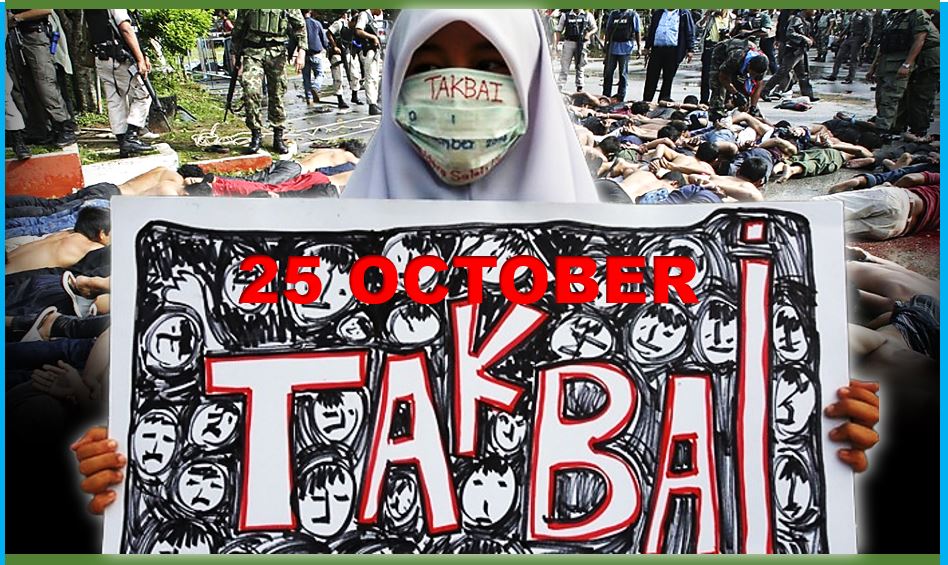
As we approach the 20th anniversary of the Tak Bai 2004 Tragedy tomorrow, the curtain has already been raised by several troubling incidents this month. These events serve as stark reminders of the unresolved issues that continue to plague the region and its people.
While the judicial proceedings set to conclude tomorrow mark a step forward, they are merely half-hearted attempts at justice. The proceedings are, at best, muddled efforts lacking in definitive conclusions, falling short of adequately addressing the deep-rooted injustices and mistrust that have lingered for two decades.
The signal is crystal clear: unresolved grievances cannot be buried beneath the weight of court cases and security operations alone.
So, when will the Thai government finally admit its mistakes and take real, substantive steps toward reconciliation and a meaningful way forward? Is that truly so difficult?
Judicial Actions: A Step, but Not the Answer
The judicial actions we have witnessed, while welcome, should not be regarded as the final answer to the complexities surrounding the Tak Bai tragedy. Justice for Tak Bai transcends mere legal procedures; it necessitates a moral reckoning, a public acknowledgment of wrongs, and proactive engagement with the affected communities.
As long as official silence and half-measures prevail, the cycle of frustration, alienation, and violence will only continue, as recent events in Southern Thai have tragically illustrated.

What Should the Government Consider?
- Public Acknowledgment and Apology:
The state must take full responsibility for the past wrongs committed during the handling of the 2004 tragedy. A formal acknowledgment and a sincere public apology are crucial first steps in healing the wounds inflicted upon the affected communities. This act of contrition can serve as a foundation for rebuilding trust. - Reparative Justice:
Beyond the courtroom, the government must offer reparations to survivors and the families of victims. This goes beyond financial compensation; it entails a commitment to public accountability and recognition of the pain and suffering endured by those affected. Such measures can demonstrate that the government values the lives and experiences of its citizens. - Community-Led Dialogue:
Engaging in meaningful dialogue with the Southern communities is essential for rebuilding trust and mending the fractured relationships between the government and its citizens. These dialogues should be inclusive, allowing community voices to shape the narrative of healing and reconciliation. True dialogue requires listening, understanding, and co-creating solutions that honor the needs and aspirations of the communities. - Institutional Reforms:
Policies that perpetuate exclusion and marginalization must be dismantled to pave the way for lasting peace. The government must assess and reform existing institutional structures that have contributed to the ongoing tensions in Southern Thai. This includes reevaluating security measures, governance approaches, and resource allocation to ensure that all citizens are treated equitably and with dignity.
A Path Forward: The Need for Political Courage
The path forward demands political courage and a willingness to confront uncomfortable truths. It is a call to action that offers the only genuine chance to break the cycle of violence and forge a path toward genuine reconciliation.
This anniversary serves not just as a reminder of the past, but as a crucial opportunity to shape a different future.
However, the pressing question remains: is the government ready to rise to the challenge? Will it seize this moment to embrace a forward-thinking approach, or will it continue to let history repeat itself, allowing grievances to fester and tensions to escalate?
Conclusion: The Future is Now
As we reflect on the events of the past 20 years, it is imperative that we recognize the opportunity for change that lies before us. The anniversary of the Tak Bai tragedy should ignite a renewed commitment to justice, healing, and reconciliation.
Only through collective action, accountability, and a genuine commitment to addressing the root causes of conflict can we hope to build a more peaceful and inclusive Thai. The time for action is now.
The question is whether the government is willing to take the necessary steps to confront its past and pave the way for a brighter future for all.



Leave a Reply