


JOHOR BAHRU: The increasingly low reading culture for English medium books among people of various races is one of the factors behind dozens of English medium bookstores across the country going out of business this year.
The president of the Malaysian Booksellers Association, Keith Thong said, the closure of any bookstores also has long-term effects on the community, especially in rural areas.
He said, following bookstores, it also became one of the knowledge stores where groups of students and school students get reading material and academic references.
“We expect the number of English medium bookstores that are closed nationwide to increase in the future due to the changing trend of society that prefers to spend time with gadgets and to spend the limited time that one has to read in their mother tongue language.
“Most owners claim to be forced to close bookstores after taking into account the changes in technology today that offer a variety of services. This may not be a bad thing as consumers are given more hybrid choices to access reading content.
“Only bookstores with a different concept are able to survive and add branches all over the country, otherwise small and old bookstores go out of business. Bookstores have to be creative and pivot their businesses using consumer behavior data accurately and adapt to the current mega trends.
“It shows that a bookstore that has additional attractions including sales of attractive school supplies, comfortable seating areas and café that cater to a desired lifestyle and so on is still popular,” he said.

Keith Thong who is also the chairman of the Malaysian Book Industry Chamber (MBIC) said that one of the factors of the low reading culture in our country is the influence of social media that has taken away the scarcely available disposable time.
According to him, the community also has easy access to reading material online even though the material is brief and incomplete. People like to read brief bite sized information these days.
He said, there is no denying that apart from the low reading culture, another factor is that the purchasing power among the community is also decreasing. The decline in our Ringgit value had resulted in higher prices for imported books.
E-books are even more convenient to obtain. With one click, we can purchase and download anything that piques our interest. We can also borrow e-books from our National Library Board (PNM) and read them from our smartphones, tablets or laptops without paying a single cent.
However, physical bookstores remain crucial to people’s experiences of reading. They provide the space for serendipitous discovery of new reads and for individuals to connect.
“Malaysia is still far behind compared to foreign citizens who like to read books and allocate more time and money for that purpose.
“This shows the need for a more constructive effort from all parties, especially parents, to foster the interest and practice of reading beneficial reading materials for children and school students.
“It needs to start from home and school, as parents we should encourage and support our children to read from an early age.
“In fact, it is hoped that the central government will put emphasis on increasing the allocation for the purchase of reading materials throughout the country in order to build quality human capital,” he said.

However, the reality for bookstores is that shelf space is limited. With high rent, overhead costs of stocking a wide variety of books and more customers turning to online book purchases, it is not easy for bookstores to manage the balancing act of community service and economic viability.
One thing, he said that worries the bookseller most is when the government allocates direct funds to government agencies and GLCs just to collect rent and take away businesses from bookstores.
We should have an open and competitive market where consumers, schools and colleges are given the freedom of choice to buy from whichever distribution channel. It would be unethical and unfair when booksellers and bumiputra book contractors do the marketing and promotions but funds are channeled to GLCs app and cut the people who does the hard work out.
Many bookstores have turned to e-commerce to generate additional revenue from online sales, while stores that go fully online do away with burdensome rental and manpower costs.
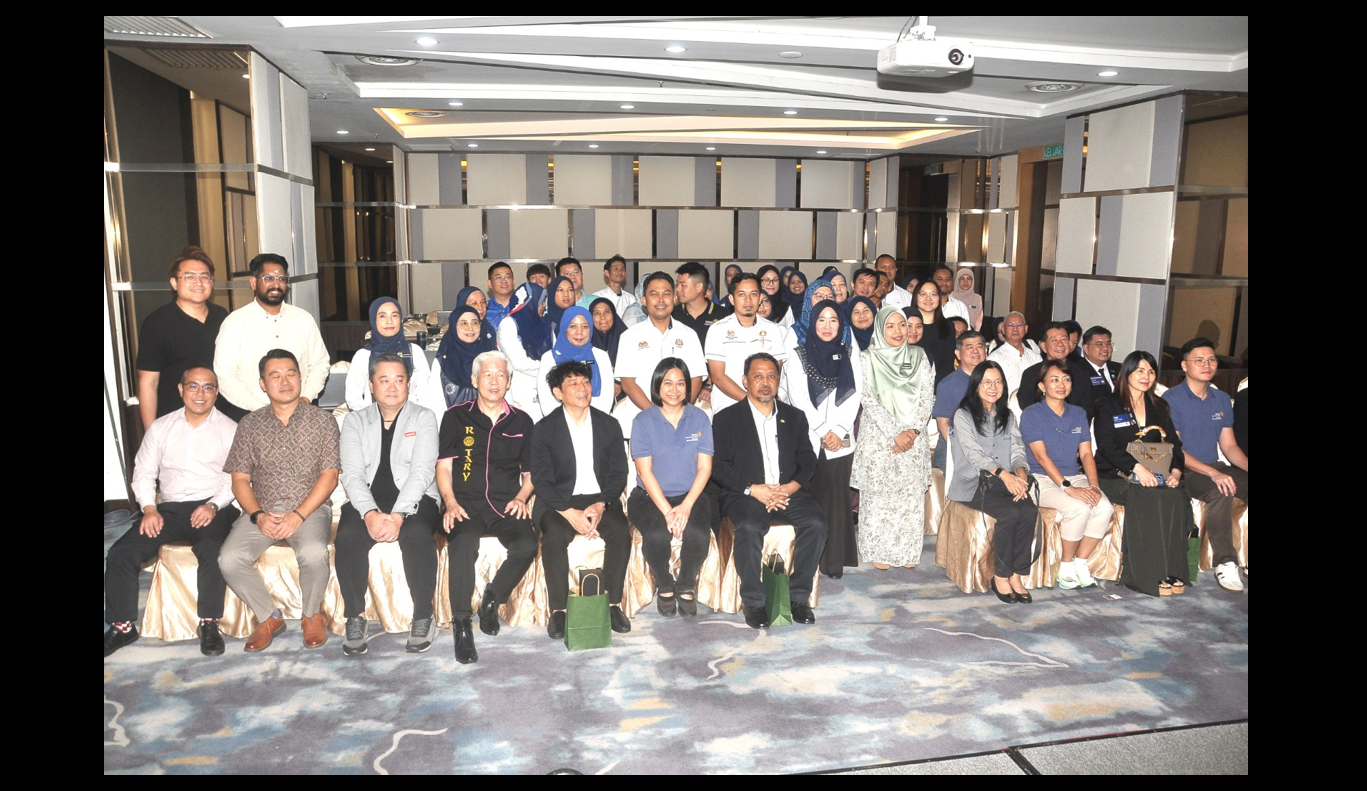
He said this when attending the Digital Reading and Learning Program organized by University Book Store Malaysia and the Johor English Language Teaching Association (JELTA) at the Johor State Public Library Corporation (PPAJ) here.



Leave a Reply