
By. Dr Haezreena Begum Abdul Hamid
Trafficking in persons is a heinous crime which feeds on inequality, vulnerability, low wages, unemployment and instability. In conjunction with the World Day Against Trafficking in Persons which falls on July 30 every year, we need to ensure that we reach out to all victims of trafficking wherever they are.
Anyone is susceptible to being trafficked particularly women, children and vulnerable individuals.
Therefore, increasing public awareness about the risks and signs of human trafficking is an important piece of any anti-trafficking strategy.
Malaysia has committed itself to combatting human trafficking through multiple efforts which encompass prevention, protection and prosecution. This is demonstrated through the frequent raid and rescue in places of interests and establishments that are suspected of employing services of trafficked persons.
Further improvement is demonstrated through the recent amendment to the Anti Trafficking in Persons and Anti-Migrant Smuggling Act 2007 (ATIPSOM) which removed the mandatory requirement of ‘coercion’ in trafficking and added on further forms of trafficking.
Elevation to U.S Tier 2 Watch List
The elevation from Tier 3 to Tier 2 Watch List in the U.S State Department’s Annual Trafficking in Persons (TIP) report is a testament of Malaysia’s commitment in combatting human trafficking despite not meeting the U.S minimum standards.
The elevation of the Tier level was based on Malaysia’s approach in addressing trauma, victim identification, and reforming its anti-trafficking laws – ATIPSOM.
It also includes the law enforcers and government officers continued engagement with academics, NGOs, and foreign organisations.
Engagement with NGOs and Academics
The law enforcers and government officials engaged with academics and NGOs through dialogues, policy engagements, programs and capacity building training. These programs were able to help law enforcers to improve their current practices, and identify the issues faced by them while countering human trafficking activities. It also helped to build their confidence and enhance their understanding and knowledge on human trafficking.
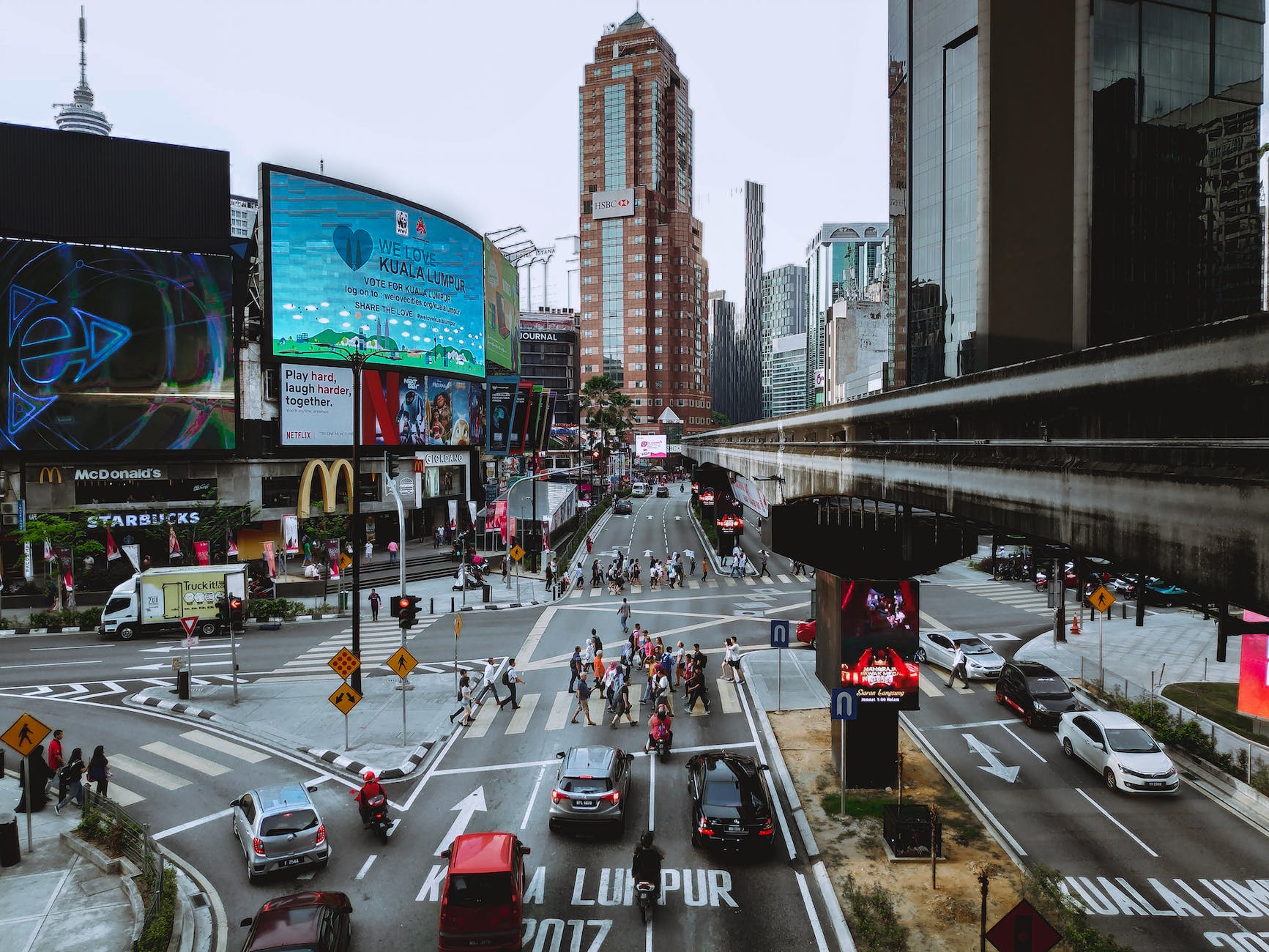
Another noticeable initiative by the government is the anti-human trafficking advertisements in the media and billboards along busy roads and high-traffic areas that warns the public of the danger of human trafficking.
These adverts serve as a stark reminder to the public to be cautious of jobs scams or any other enticing offers in Malaysia or abroad which seems to be increasing exponentially.
Traffickers
Traffickers compose of various individuals ranging from family members to work agents. In Malaysia, work agencies are required to be registered but not the work agents themselves. At the moment there is no regulation or requirement for an agent to have a license. This is highly problematic and dangerous because it signifies the fact that work agents are not regulated. It also signifies the fact that work agents may not have adequate understanding and knowledge on exploitation, employment law, human rights, human trafficking and smuggling.
Many of them might not even understand the fundamental principles of human rights which is premised on empathy and natural justice.
As a result, some individuals end up being trafficked with no recourse to justice and the traffickers continue to exploit them with impunity.
For migrant victims, many of them enter Malaysia legally and are in possession of a valid passport and tourist visa but are later exploited by their employers or traffickers. The job agent in this instance plays a significant role in their migration. A fee can also be imposed by the traffickers to make any offers seem legitimate. Interviews are sometimes held to convince the victims and remove any doubts.
Modus Operandi
Traffickers can either operate in silo or in a large organisation with an established network. In both instances, the modus operandi of trafficking is very structured, organised and systematic. Therefore, traffickers can be considered as organised criminals given their network and operating style.
Organised criminals differ from organised crime. While the former may work individually or comprise of a small group of people, the latter would have an established network that transcend across borders and sectors.
The elimination of trafficking in persons is a concerted effort and cannot be left to the authorities alone. It’s imperative for each and every individual to be vigilant and to be aware of any human trafficking activities around them. It’s also important to inculcate human trafficking awareness to children, youth, and the public as a whole in order to assist the authorities in combatting human trafficking.

The author is a criminologist and Senior Lecturer at the Faculty of Law, Universiti Malaya. She may be reached at haezreena@um.edu.my



Leave a Reply